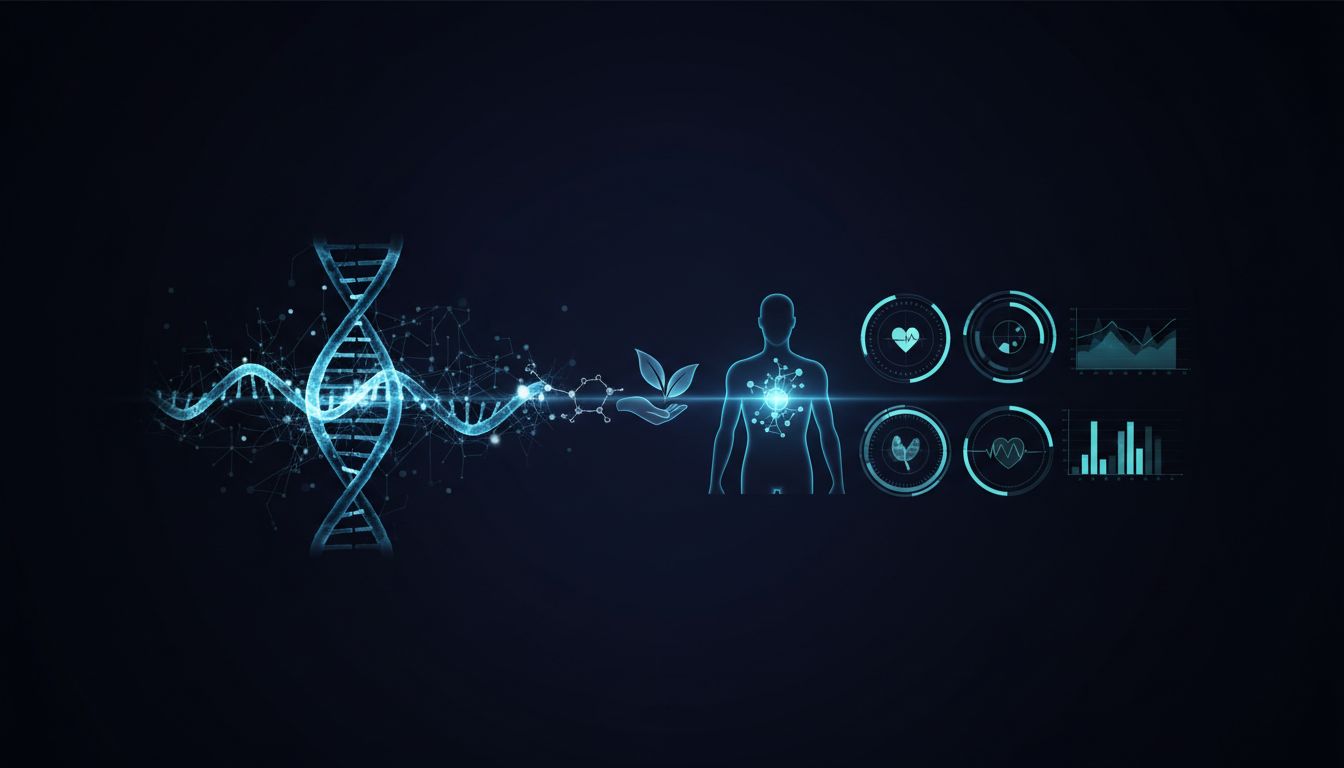

More people are hearing about biological age and wondering whether it can offer a clearer picture of health than the number of candles on a birthday cake. That interest makes sense. Chronological age tells you how long you have been alive, but biological age aims to reflect how your is actually functioning right now. In recent years, this idea has moved from niche research into mainstream wellness conversations, thanks to new blood, saliva, and data-driven diagnostic tools.
At the same time, it is important to stay grounded. Biological-age testing is promising, but it is not magic, and it is not yet a universal wellness score. The newest research suggests these tools may become more useful for prevention, personalization, and progress tracking. For everyday readers, the practical question is not whether a single test can define your health, but how new diagnostics may help guide smarter personal care choices alongside medical advice, healthy habits, and common sense.
What biological age really means
Biological age is an attempt to estimate how “old” your seems based on measurable signs in your cells, tissues, organs, and metabolism. That can include markers linked to inflammation, blood chemistry, DNA methylation, proteins, or other signals associated with aging. In simple terms, it is a health-related estimate rather than a calendar-based fact.
Recent reviews describe biological age as a potentially more informative metric than chronological age for some purposes, especially when the goal is to understand disease risk, resilience, or the pace of aging. This is one reason the field has expanded so quickly. Researchers are looking for ways to detect when someone may be aging faster or slower than expected and to connect those findings to prevention strategies.
Still, biological age is best seen as a developing tool, not a final verdict. Two people of the same chronological age can have very different lifestyles, stress loads, medical histories, and environmental exposures. Biological-age diagnostics try to capture some of that difference, but they do so imperfectly. That is why results are most useful when treated as one piece of a bigger personal-care picture.
Why the science is moving beyond one single clock
Much of the early excitement around biological age came from epigenetic clocks, especially those based on DNA methylation. These clocks estimate aging by examining chemical tags on DNA that shift over time. They remain some of the most studied tools in the field and are increasingly linked with age-related disease risk and preventive health research.
But the science is no longer focused on methylation alone. A 2025 scoping review found that the field is broadening into phenotypic, proteomic, metabolomic, and multi-omics approaches. In other words, newer algorithms often combine several layers of health data to move from simple age estimation toward more functional and clinically relevant measures.
This matters for personal care because aging is not driven by just one process. Sleep, diet, exercise, stress, pollution, hormones, immune health, and metabolic changes can all shape how the ages. A broader testing approach may eventually give more tailored guidance, though researchers are still working on standardization so that results become easier to trust and compare.
What recent research says about the most reliable methods
One of the most interesting developments comes from a 2025 systematic review comparing biological-age methods. It reported that Klemera and Doubal’s method, often called KDM, was the most reliable among the approaches studied. The same review also called for a standardized biological-age score, which would make results easier for both professionals and consumers to interpret.
That push for standardization is a big deal. Right now, different tests can look at different biomarkers, use different models, and produce different “ages” for the same person. If the field wants to become truly useful in routine wellness or healthcare settings, it needs more consistency, better validation, and clearer benchmarks.
For readers, the takeaway is practical: if you ever use a biological-age test, avoid treating the number as absolute truth. Look for transparency about what the test measures, whether the method has been validated, and how the result is meant to be used. A thoughtful trend line over time may be more meaningful than one dramatic-looking number on a report.
How organ-specific and -clock diagnostics may shape personal care
A 2025 NIH Research Matters article highlighted work on “ clock” and organ-specific clocks. In that research, scientists used blood tests and machine-learning models to estimate biological age across different organs, finding stronger prediction of health outcomes than chronological age alone in their analyses. This is an exciting shift because it suggests that aging may be tracked in a more targeted way.
Instead of asking only, “How old is my overall?” future diagnostics may help ask, “Which systems seem to be under the most strain?” That could include the heart, liver, kidneys, immune system, or metabolic pathways. For personal care, this may eventually support more specific action plans rather than broad anti-aging advice.
In everyday terms, this could mean more focused lifestyle changes. If future testing suggests metabolic aging is outpacing other systems, nutrition, sleep, and exercise guidance may take priority. If inflammatory markers are a concern, stress management and recovery habits may matter more. The promise here is not perfection, but better direction.
Where biological-age testing can already support lifestyle decisions
Even with the science still evolving, one message is very consistent: lifestyle remains central. A 2026 review reported that high physical fitness and regular exercise can slow epigenetic aging. Dietary habits also influence the epigenome, and newer metabolome- and microbiome-based clocks may eventually make lifestyle personalization even more precise.
This fits with a broader 2025 review arguing that precision nutrition may use biological-age markers, including telomere length and epigenetic clocks, to tailor diet strategies for chronic disease management and healthy aging. Consumer-focused companies are already moving in this direction. For example, Viome launched an AI-powered Full Body Intelligence test in 2025, using RNA science and AI to generate personalized daily nutrition advice.
For a practical self-care routine, the basics still come first: strength and cardio exercise, enough protein and fiber, colorful plant foods, restorative sleep, stress management, and avoiding smoking. If biological-age tools become part of your routine, they should ideally help refine these habits, not distract from them. The best diagnostic is the one that helps you take realistic action.
Why environment and skin health are part of the story
Biological aging is not shaped only by personal choices. Environmental exposures matter too. A 2025 systematic review covering 102 human studies and more than 180,000 participants found that air pollution, chemicals, metals, climate, and cigarette smoke are frequently studied in relation to epigenetic age acceleration. That means your surroundings may influence your biological age in ways you do not always notice day to day.
This is especially relevant for readers interested in personal care and self-esteem, because skin aging is one of the most visible aspects of aging. A 2025 review on skin aging reported that UV radiation, pollution, smoking, diet, and stress can accelerate skin aging through epigenetic mechanisms. Researchers also suggest that skin-specific epigenetic clocks may one day help guide targeted therapeutic interventions.
The practical takeaway is refreshingly simple. Daily sunscreen, avoiding smoking, managing stress, sleeping well, eating a nutrient-dense diet, and protecting skin from pollution and excess sun exposure are still smart habits. New diagnostics may eventually personalize those recommendations more precisely, but the foundations of good skin and healthy aging are already well known and worth sticking with.
Why test results should be interpreted carefully
This is where a little caution can save a lot of confusion. Recent reporting and reviews emphasize that aging clocks are still too experimental for routine clinical decision-making. Results can vary by assay, and many models still need stronger standardization and validation before they are ready for everyday use in medical care.
A striking 2025 consumer case study found a 13.1-year spread across seven direct-to-consumer biological-age products used on the same person on the same day. That kind of variation shows why consumers should be skeptical of overly confident marketing. A different number does not always mean your health changed; sometimes it simply means the test measured aging differently.
The FDA’s guidance for direct-to-consumer tests also underscores that results should be interpreted alongside other laboratory and clinical information. In practice, that means you should not use a biological-age test to diagnose yourself, panic over one report, or replace professional advice. Think of it as a conversation starter, not the final word.
What to expect next from simpler, more actionable diagnostics
Researchers are also trying to make biological-age testing easier to access. In early 2025, scientists reported EpiAge, a test designed to estimate biological age from saliva or blood with accuracy comparable to more complex epigenetic clocks. Simpler collection methods could make future testing less intimidating and more practical for broader use.
At the same time, the field is becoming more connected to function, frailty, and future health. A 2026 systematic review and meta-analysis in The Lancet Healthy Longevity examined whether DNA-methylation-based biological-age metrics correlate with frailty risk, adding to evidence that accelerated epigenetic aging may reflect real-world vulnerability. That kind of insight is more useful than a novelty number because it points toward everyday outcomes people actually care about.
Looking a, the most helpful biological-age diagnostics will likely be the ones that are easy to repeat, grounded in validated science, and linked to clear recommendations. If a test can show meaningful progress after better training, nutrition, stress control, or sleep habits, it may become a motivating tool for personal care. But the field still needs time to prove which measures deserve that trust.
The big picture is encouraging. Biological-age science is moving from broad curiosity toward more actionable guidance, with newer diagnostics exploring not just how old we seem, but how different systems in the are functioning. That opens the door to more personalized self-care, better prevention, and smarter wellness decisions in the years a.
For now, the healthiest approach is balanced optimism. If you are curious about biological age, use it as a helpful lens rather than a label. Pair any test result with proven habits, regular medical care, and a realistic focus on progress over perfection. Personal care works best when it supports confidence, clarity, and consistency, and that is exactly where these new diagnostics may offer the most value.