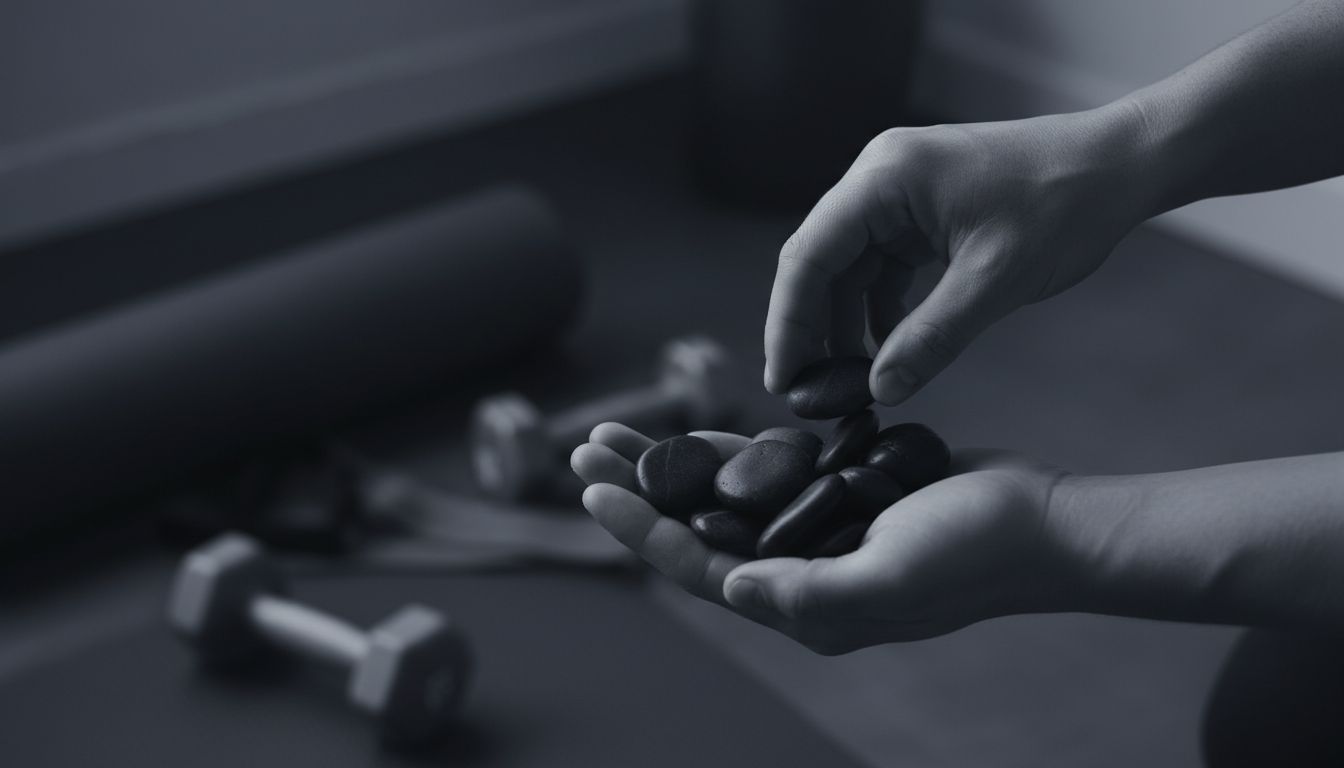

Self-belief rarely arrives in one dramatic moment. More often, it grows quietly through ordinary actions that seem almost too small to count: getting out for a short walk, finishing a simple task, speaking kindly to yourself after a hard day, or trying again when something feels awkward. These small strength wins may not look impressive from the outside, but they can slowly change how you see yourself from the inside.
That matters because confidence is not only a personality trait; it is also something that can be built. Recent research and expert guidance suggest that small wins deserve real attention. Harvard has noted that celebrating them can improve focus, goal-setting, organization, self-confidence, and self-esteem. In other words, the little things are not distractions from growth. They are often the foundation of it.
Why small wins matter more than people think
Many adults believe they will feel confident after they achieve something big. But lasting self-belief often works in reverse: you build it by collecting proof that you can follow through in small, repeatable ways. A made bed, a kept promise to yourself, a five-minute stretch session, or a calm response during stress can all become evidence that you are capable.
Harvard Summer School’s 2024 explainer described small wins as building blocks for future success. That idea is powerful because it takes self-esteem out of the world of vague positive thinking and puts it into daily practice. When you repeatedly experience even modest progress, your brain has more reasons to expect progress again.
This is especially helpful for people who feel stuck, overwhelmed, or discouraged. Big goals can trigger pressure, but small goals often create movement. And movement matters. Once you start seeing yourself as someone who completes one useful action at a time, self-belief becomes less fragile and more grounded in lived experience.
The quiet psychology of doing one thing well
Small strength wins work because they reduce the gap between intention and action. When you choose one manageable step and complete it, you send yourself a simple message: I can trust myself to begin. That kind of trust is often more important than hype or temporary motivation.
Recent evidence also suggests that beliefs about self-control affect which strategies people choose and how they use them. This means your belief that you can handle a challenge may shape the practical choices you make next. Repeated small acts of follow-through can therefore do more than improve a mood in the moment. They can influence the habits and coping strategies you rely on over time.
There is also a reassuring point here for anyone whose confidence rises and falls. A 2025 review of daily-life studies found that self-efficacy can fluctuate within the same person over time. That supports the idea that confidence is not fixed. If it can dip, it can also be strengthened again through repeated small successes that remind you of your ability to cope, adapt, and continue.
How 10 mindful minutes can strengthen self-belief
One of the clearest examples of a small habit with meaningful effects is mindfulness. A 2024 study of 1,247 adults across 91 countries found that just 10 minutes of daily mindfulness eased depression and anxiety and increased motivation for healthier habits. Harvard Health’s summary of the study also reported that participants felt more motivated to exercise and sleep better after this brief daily practice.
This matters for self-belief because emotional overwhelm often makes people doubt their capacity to change. When your mind feels less crowded by stress, you may find it easier to keep small promises to yourself. A short mindfulness session can become a daily strength win in its own right, but it can also make other good choices feel more doable.
If you want to try this in a practical way, keep it simple. Sit comfortably, breathe slowly, and notice sensations for 10 minutes. If your thoughts wander, gently return your attention without judging yourself. The goal is not to be perfect at mindfulness. The win is showing up, practicing, and proving that caring for your mental well-being can fit into real life.
Growth mindset and the power of learning through effort
Another quiet builder of self-belief is the way you explain progress to yourself. A recent 2025 meta-analysis covering 113 studies and 144,164 participants found that growth mindset had a moderate association with self-efficacy in academic settings, while fixed mindset showed a small association. In simple terms, believing that abilities can develop through effort and learning is linked with stronger confidence in one’s ability to act effectively.
This does not mean you need to force toxic positivity or pretend everything is easy. It means that when you view mistakes as part of learning, small improvements become meaningful rather than invisible. You stop asking, “Am I naturally good at this?” and start asking, “What did I do today that moved me forward?” That shift can be incredibly steadying.
In everyday life, a growth mindset might sound like this: “I am getting better at speaking up,” “I handled that conversation better than last time,” or “I do not know this yet, but I can practice.” Those statements may seem modest, but they help create a healthier relationship with effort. Over time, effort plus evidence becomes self-belief.
Why practice-based wins feel so convincing
Confidence grows faster when it is attached to action. A 2025 randomized trial in youth found that structured football training improved social self-efficacy, perceived competence, and emotion regulation. While the study focused on younger participants, the broader lesson applies widely: practice-based experiences can strengthen how capable people feel.
This is useful for adults because self-belief often improves when you stop waiting to feel ready and start practicing in a structured, realistic way. Whether that is strength training, a beginner yoga class, meal planning once a week, joining a walking group, or practicing assertive communication, each repeated session creates concrete evidence that you can learn and adapt.
If you want these wins to stick, make the practice small enough to repeat. Twenty minutes of movement three times a week may build more lasting confidence than one intense effort that leaves you exhausted. Repetition matters. Quiet consistency teaches your mind and that progress is something you can return to, not just something you hope for.
Reflecting on past coping wins builds resilience
Sometimes self-belief grows not from doing something new, but from remembering what you have already handled. A 2024 randomized trial on reflective writing found that focusing on successful coping experiences can support resilience. That is an important reminder for anyone who quickly dismisses their own progress.
You may be underestimating how many small strength wins you already have. Maybe you got through a difficult season, adapted to a health challenge, asked for help when you needed it, or stayed gentle with yourself instead of spiraling into self-criticism. These are not minor details. They are proof of coping capacity, and that proof can help you meet future stress with more confidence.
A simple way to use this is to keep a small “evidence of strength” note on your phone or in a journal. Each evening, write down one thing you handled well, even if it seems ordinary. Over time, you create a personal record that says, clearly and practically, “I have done hard things before, and I can do the next thing too.”
Support, modeling, and borrowing confidence from others
Self-belief does not have to be built alone. A 2024 systematic integrative review in health professional education found that near-peer teaching can strengthen learners’ self-efficacy beliefs. Seeing someone a little a of you manage a skill successfully can make your own progress feel more realistic and reachable.
This can be applied far beyond formal education. A walking buddy, supportive fitness coach, therapist, friend, or online creator with a practical teaching style can all help you feel, “If they learned this step by step, maybe I can too.” The key is not comparison for shame. It is healthy modeling that makes growth feel human instead of intimidating.
There is also an important compassion point here. A 2024 study in health training found that lower self-efficacy can coexist with competence; women residents reported lower self-efficacy in central venous catheterization training despite performance comparisons. In everyday life, that means you may be more capable than you feel. Small mastery wins matter because they help close that gap between actual ability and internal belief.
Practical ways to create small strength wins every week
If you want to build self-belief in a steady way, choose wins that are clear, measurable, and kind to your nervous system. Good examples include a 10-minute mindfulness session, a short strength workout, preparing one balanced meal, going to bed 15 minutes earlier, drinking water before coffee, or sending one message you have been avoiding. The task should feel doable enough that success is likely.
It also helps to celebrate completion instead of waiting for transformation. Harvard notes that celebrating small wins can support self-confidence and self-esteem, and that celebration does not have to be dramatic. It can be as simple as pausing to say, “I did what I planned,” checking off a habit tracker, or sharing your progress with someone supportive.
Finally, remember that confidence can be measured and strengthened through incremental improvement. A 2025 validation study even introduced a tool to assess “self-confidence to do improvement,” showing growing interest in how confidence develops through progress itself. That should encourage anyone who feels behind. You do not need a complete life overhaul. You need repeatable moments that help you believe your effort matters.
Lasting self-belief is often built so quietly that you do not notice it happening at first. It grows when you keep a small promise, practice a useful skill, reflect on how you coped, and give yourself credit for progress that used to go unseen. These moments may look ordinary, but together they create a much stronger inner story about who you are and what you can do.
If you have been waiting to feel confident before you start, try flipping the order. Start small, start kindly, and let the evidence build. Small strength wins are not a lesser form of success. They are often the most reliable path to real self-belief, better self-esteem, and healthier daily habits that last.