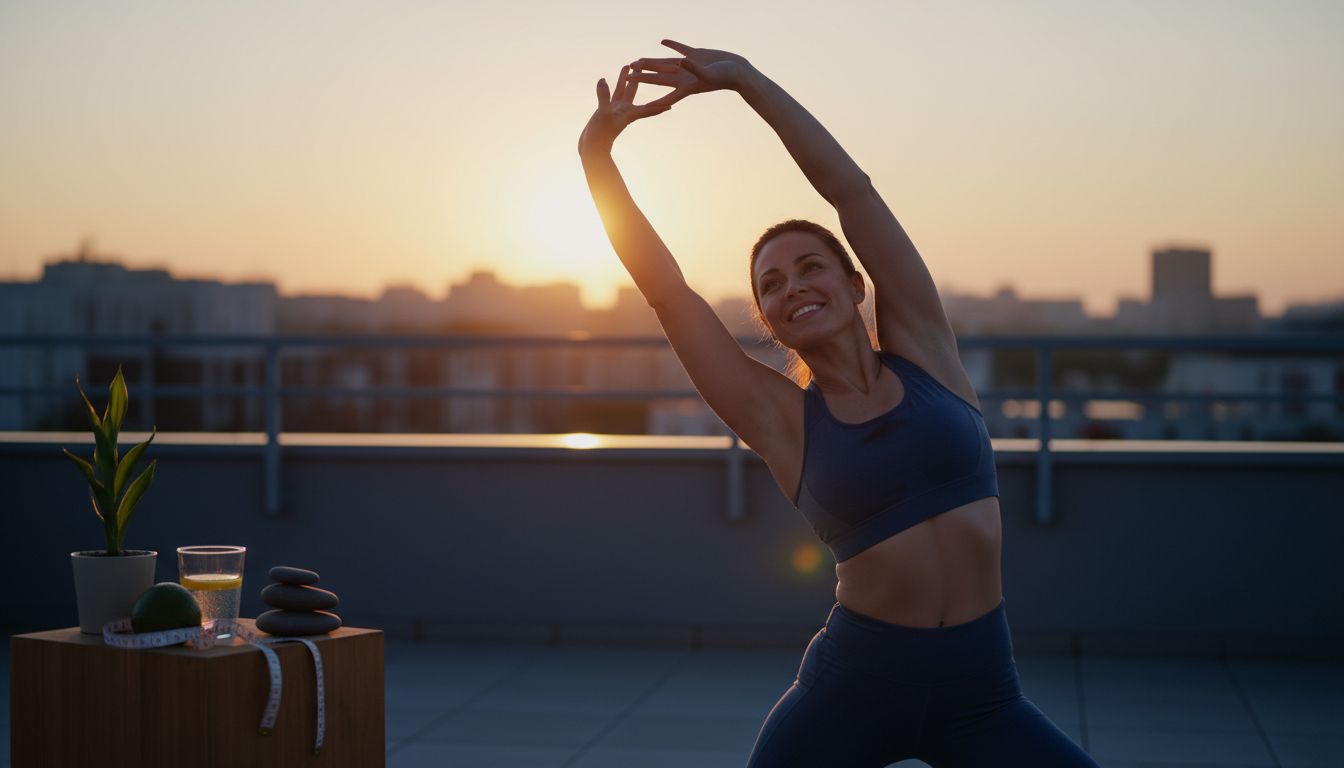

Start small. That sentence sounds simple because it is, and because it works. When life is busy or you feel stuck, giant fitness goals and elaborate self-care plans often become shelfware. Instead, short, repeatable actions you can do anywhere, what many experts now call “movement snacks” or bite-sized movement, make movement accessible, build competence, and slowly reshape how you feel about yourself.
In this article you’ll find science-backed reasons tiny rituals and mini workouts help confidence, plus practical ideas you can apply immediately. The research shows these approaches don’t just change your a little bit: they improve self-efficacy, mood, and daily functioning. Read on for friendly, doable steps to create a lasting glow from the inside out.
Why small wins matter for confidence
Psychologists talk about mastery experiences, the small successes that signal to your brain, “I can do this.” Those moments are the fuel for self-efficacy, the belief in your ability to act, which research links closely to staying active and feeling confident. When you stack tiny, achievable actions, each win reinforces the next.
Big resolutions can be inspiring, but they’re harder to repeat. Recent popular health explainers and behavior-change research highlight that “tiny steps” are far more sustainable. Starting with a 2- or 5-minute commitment reduces friction and makes consistency realistic, which is where confidence starts to grow.
Over time, these accumulative wins change both behavior and mood. Studies show exercise strengthens emotion regulation through increased self-efficacy, so those small wins don’t just look good on paper, they also help you handle stress and show up with more calm and presence.
The science behind bite-sized movement
Micro-workouts, short, dispersed bouts of activity sometimes called movement snacks, are now widely framed as a practical strategy for busy people, beginners, and anyone who dislikes long gym sessions. The idea: several short efforts spread through the day add up to meaningful activity and improved well-being.
A 2024 Sports Medicine review found that lower-dose resistance training (shorter, lower-volume, or lower-intensity sessions) can still improve strength and endurance for sedentary folks and beginners. Importantly, these lower-dose programs also link to improved well-being and self-efficacy, showing that you don’t need hour-long gym visits to get benefits.
Micro-workouts are flexible and require little or no equipment. Simple moves, squats, push-ups, step-ups, stair climbs, or brief stretching, can be dropped into gaps between meetings or before dinner. That accessibility is a big part of why bite-sized movement sticks.
Tiny rituals that anchor your day
Rituals are more than pretty routines: experimental evidence indicates they can strengthen self-control and make follow-through easier. A 2024 SSRN paper found that enacting rituals improved self-control across experiments, suggesting that repetition and structure help behaviors stick.
Mindfulness-style rituals, a short breathing routine, a two-minute scan before a walk, or a single stretch while waiting for your coffee, combine movement and mental focus. A 2025 systematic review found that unstandardized mindfulness interventions can support dietary and physical-activity outcomes, as well as mood, though it cautioned careful interpretation. Still, simple mindful rituals are low-risk and often high-reward.
Rituals give your day predictable anchors. When movement becomes part of a cue-response pattern (e.g., after brushing your teeth, do two minutes of calf raises), it lowers the decision-making burden and helps confidence grow through repeated mastery.
Practical movement snacks you can do anywhere
Keep the toolkit tiny: 30,60 seconds of weight moves performed several times a day can be surprisingly effective. Try sets like 10,15 squats, 10 wall or knee push-ups, 30 seconds of marching in place, or a quick stair climb. The aim is consistency, not exhaustion.
Resistance bands are a compact, affordable way to add low-dose strength training without a gym. The 2024 evidence around lower-dose resistance work shows these small loads help beginners get stronger and feel better, and bands fit in a drawer or travel bag so you can sustain the habit.
If you like structure, try a 3-minute routine: 60 seconds squats, 60 seconds plank/modified plank, 60 seconds of alternating lunges or step-ups. Do it twice daily or sprinkle single moves between tasks. Micro-workouts can be done at your desk, in a hallway, or at the kitchen counter, no bulky equipment required.
Use prompts and nudges to make movement automatic
Small activity prompts improve daily functioning. A 2025 study on self-nudging reported that simple reminders and environmental cues increased movement and boosted vigor, creativity, and prosocial behavior at work. That means a gentle nudge can translate to better performance and mood, not just more steps.
Practical prompts include phone timers, calendar blocks labeled “movement snack,” post-it notes on the bathroom mirror, or placing a resistance band where you’ll see it in the morning. Pair a prompt with your ritual, for example, a five-breath ritual followed by one minute of calf raises whenever your timer chimes.
Technology can help but doesn’t have to. A basic smartwatch or a free reminder app can prompt you to move every hour. If alarms feel annoying, build environmental cues instead: leave a pair of sneakers by the door or keep a water bottle in sight to prompt periodic standing stretches.
From short sessions to a lasting glow
The payoff from bite-sized movement and tiny rituals is both physical and psychological. A 2024 systematic review and meta-analysis in cancer populations found physical activity interventions improved self-esteem, and broader reviews continue to show exercise supports mental health as an adjunctive treatment. Those improvements translate to a more confident, energized presence, what lifestyle writers call a “lasting glow.”
Confidence often comes from repeated mastery experiences: you do something, it works, you feel capable, so you do it again. Over weeks and months, this loop strengthens emotion regulation, self-efficacy, and self-esteem. A 2024 study specifically showed self-efficacy mediates the relationship between physical exercise and better emotion regulation, underscoring how movement affects internal resources, not just outward looks.
Be gentle with progress. The goal isn’t perfection but accumulation. Celebrate tiny wins, track simple metrics (minutes moved, days consistent), and adjust rituals to fit life. That steady, forgiving approach is how a short daily practice becomes a sustainable identity shift: you become someone who moves, rests, and shows up for yourself.
Ready to try it? Start with one tiny ritual and one 2,3 minute movement snack today. Notice how you feel afterward, a tiny shift in mood or posture is feedback that you’re building confidence.
Small steps add up. With practical prompts, a couple of compact tools (resistance band, a timer, maybe a comfy mat), and a ritual you enjoy, bite-sized movement can help you move more, feel more capable, and wear a lasting glow that’s as much psychological as physical.