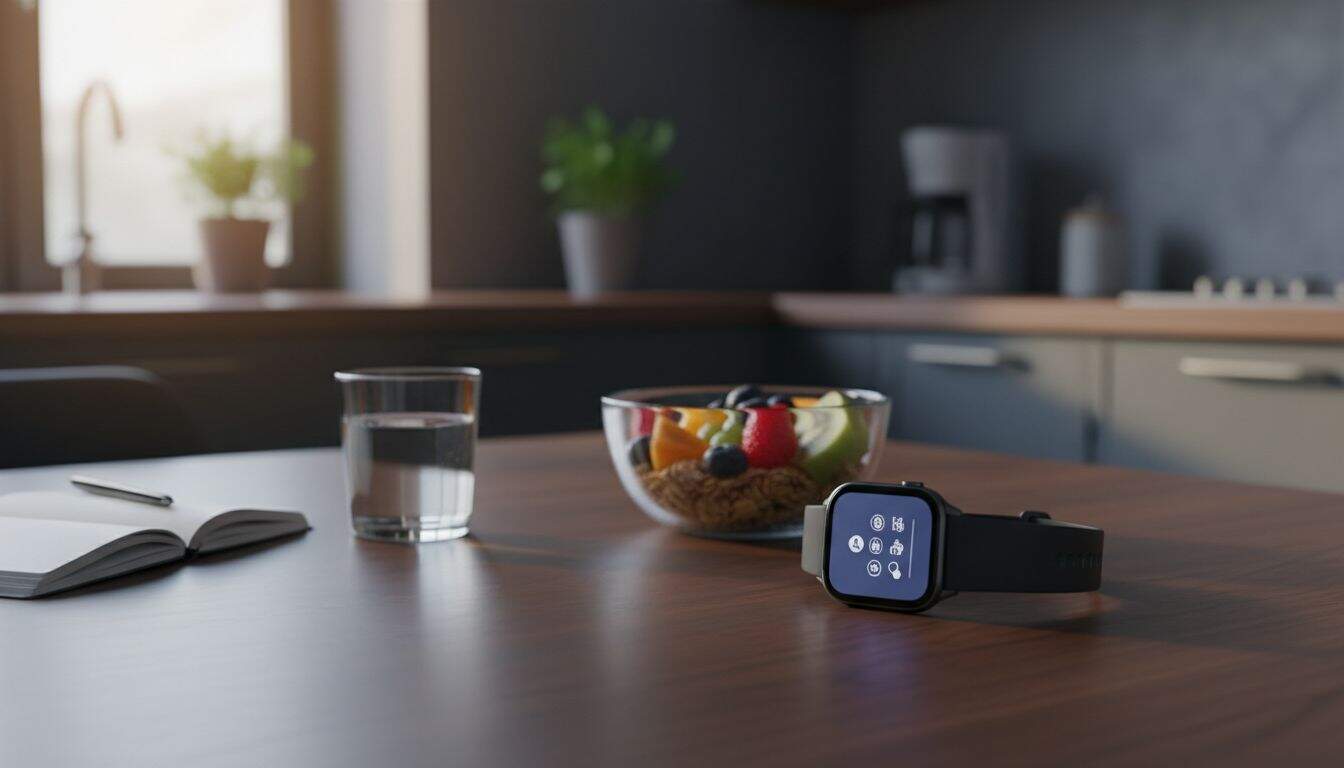

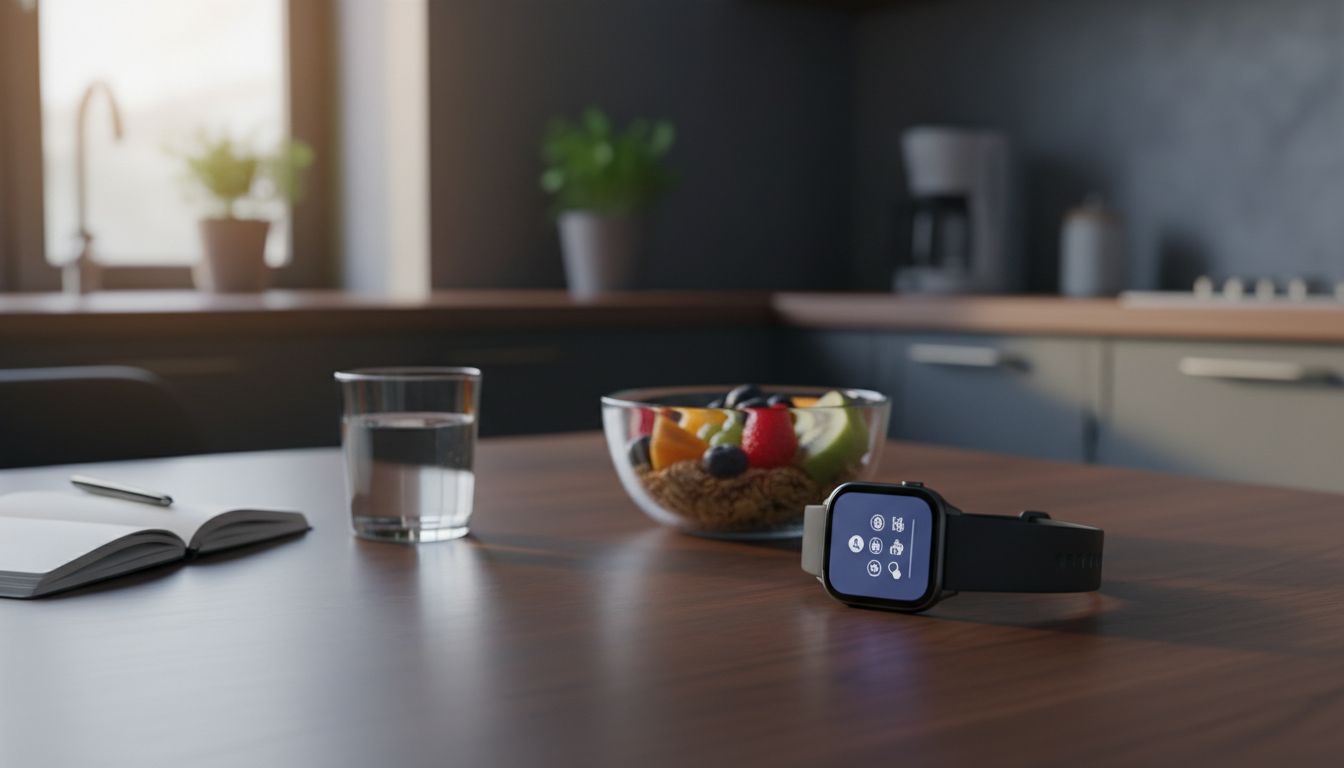
Wearables stopped being just step counters and bedtime reminders and quietly became the personal meal coaches many of us never knew we needed. As sensors got cheaper, smarter, and easier to buy, people started wearing devices that not only tracked motion and heart rate but also mapped how their bodies responded to food in real time. That shift turned abstract nutrition advice into immediate, person‑specific guidance: bite → response → tweak.
That transformation didn’t happen overnight. It came from a mix of regulatory change, longer‑lasting sensors, smarter algorithms, and new product models that pair continuous glucose data with food logging and coaching. For everyday readers, that means your watch or a small patch can now nudge you to swap a snack, walk after a meal, or add protein to blunt a spike,practical nudges that are easy to try at home.
The regulatory pivot: OTC CGMs and wider access
One key turning point was the FDA’s March 5, 2024 clearance of the first over‑the‑counter continuous glucose monitor, Dexcom Stelo. Making CGMs available OTC opened a new mainstream wellness market and allowed apps to pair with sensors for what we now call wearables meal coaching. FDA leaders framed this move as expanding access and equity,Jeff Shuren of the FDA’s CDRH said it helps give individuals valuable information about their health,while also cautioning about device limits.
Device makers responded quickly. Dexcom secured a 15‑day clearance for the G7 line and released consumer variants like the OTC Stelo, while Abbott expanded Libre consumer SKUs. These changes stretched sensor lifetimes, lowered per‑day costs, and removed a lot of the friction that kept CGMs confined to people using insulin.
That regulatory and product momentum made it realistic for average adults to experiment with glucose feedback. Health systems, payers, and even Medicare conversations around coverage in 2024,2025 further nudged CGMs from niche medical tech toward mainstream wearable ecosystems.
From numbers to guidance: CGM + coaching platforms
Raw glucose traces are useful, but they become transformative when translated into simple, actionable advice. That’s what direct‑to‑consumer programs like Levels, NutriSense, and January AI do: they combine continuous glucose data, food logging, and dietitian or AI coaching to generate meal scores, tailored rules, and swap suggestions. This is the heart of how wearables meal coaching actually works for users.
Platforms take complex physiology and render it as friendly feedback: which snack consistently spikes you, how a late walk blunted your last meal’s rise, or when adding protein lowered your area‑under‑curve. Some vendors report strong user outcomes,improvements in glucose metrics, better meal composition, and self‑reported weight changes,though company‑reported results should be balanced against peer‑reviewed evidence.
Dexcom, for example, added Smart Food/Smart Meal logging and generative AI summaries to help users see patterns and act on them. Those on‑ramps turn a sensor into a coach: you eat, the system scores your meal, and a small recommendation appears,swap white rice for beans and veg, or take a 10‑minute stroll after dinner.
How devices learned to detect meals automatically
Early systems relied on manual food logs, which can be tedious and error‑prone. Recent engineering and research solved much of that friction by building automated eating and meal detection into wearables. Studies and projects like MealMeter and intake‑gesture research (2024,2025) fused wrist IMU, PPG, heart‑rate patterns, phone camera inputs, and even contactless radar to detect bites and estimate portion size.
These multimodal approaches let apps align meals and glucose traces without constant button‑pressing: the device senses an intake event, tags the time, and pairs it to the CGM curve. That hands‑free detection significantly improves coaching fidelity because timing is crucial for linking cause and effect in post‑prandial glucose responses.
Researchers also built image‑recognition pipelines and combined them with sensor signals to estimate meal composition and portions. That’s what enabled demos like Garmin’s AI image‑recognition food logging at CES 2026 and in‑watch suggestion prototypes from major vendors: photo + sensor → contextual advice,fast and low‑effort for users.
The science: personalization, early benefits, and limits
One of the most important scientific findings behind meal coaching is how variable individuals’ glucose responses are. Peer‑reviewed work repeatedly shows the same food can provoke wildly different post‑meal glucose curves in different people. That explains why generic rules often fail and why personalized, real‑time feedback is so powerful.
Systematic reviews and meta‑analyses from 2024,2025 show CGMs act as behavioral biofeedback: in non‑insulin and mixed populations, CGM use significantly altered dietary choices and improved mean glucose metrics. A pooled effect size for mean glucose in several studies was roughly SMD ≈ −0.54, a meaningful shift. Randomized trials and RCT‑style interventions have shown short‑term changes,better meal composition, more post‑meal activity, and changed meal timing,but longer‑term results on sustained weight loss or hard clinical outcomes in metabolically healthy people are still mixed and limited.
Academic reviewers are cautious: while early results show measurable behavior change and improved glucose metrics, larger and longer randomized studies are needed to prove population‑level benefits like reduced diabetes incidence or cardiovascular outcomes. That caveat matters if you’re trying these tools for long‑term health goals.
Everyday features that reshape habits
Practical, low‑friction features are what make wearables useful day to day. On‑device generative AI that summarizes your typical responses, photo logging that automatically identifies components of a plate, and short micro‑interventions (e.g., “add 10 g of protein” or “walk 10 minutes now”) translate insight into action. Companies from Dexcom to Garmin, Samsung, and Apple have signaled or demoed these capabilities, turning watches into meal advisers.
For readers, that means small experiments are easy: try the app’s suggested meal swap for a week, accept a timed walking prompt after a carbohydrate‑heavy lunch, or use photo logging to see patterns without tedious typing. These tiny behaviors are exactly what behavioral science says can stick: faster feedback increases salience and shortens the time between action and consequence.
If you want a practical start, consider these steps: borrow a CGM or use a short trial program, pair it with a reputable coaching app, log a few typical meals by photo for two weeks, and test one swap (e.g., add fiber or protein) to see your own response. Small, repeated adjustments based on your data beat big, unsustainable diet changes.
Risks, privacy, and clinical caution
More data isn’t always unambiguously better. Mass deployment of internal biomarkers to healthy consumers raises concerns: increased false alarms, heightened anxiety among the “worried‑well,” and more clinician workload as people seek interpretation. Analysts and clinicians urge better filtering, clear labeling, and evidence‑based coaching logic to reduce harm.
Privacy is also a practical concern. Glucose traces are sensitive health data; check platform privacy policies and know whether your data is used for research, shared with third parties, or stored in a way you can control. Regulatory conversations in 2024,2025 helped expand access, but they also highlighted limits,OTC CGMs aren’t a substitute for clinical care when you’re on insulin or have complex conditions.
Finally, interpret company‑reported improvements with care. Platforms report positive user stories,weight loss, A1c drops, and better habits,but peer‑reviewed and long‑term evidence remains the gold standard. Ongoing trials (for example registered studies in prediabetes) will help clarify who benefits most and for how long.
What this means for your kitchen and your day
Wearables became meal coaches by turning physiological feedback into small, actionable nudges. Instead of abstract rules,“don’t eat carbs”,you get tailored prompts like “your afternoon spike after white rice is repeatable; try beans + veg next time.” That reframes nutrition from moralizing rules to individualized experiments you can run on yourself.
For everyday readers, the takeaway is practical: use tech as a learning tool. Start with short trials, focus on one habit at a time (swap, add protein, move after meals), and stick with simple, repeatable changes. If you have chronic conditions, work with clinicians and registered dietitians who can integrate CGM data responsibly into care.
Major tech companies are moving in this direction. Samsung announced an AI Healthcare Coach with a daily food‑intake calendar, Apple executives have discussed health ambitions, and developers are baking small LLMs and biosensor fusion into on‑device features,meaning meal coaching will only get more accessible and more integrated into the devices many of us already wear.
Wearables meal coaching is here to stay: hardware, regulatory shifts, multimodal sensing, and generative AI combined with early clinical evidence explain why. The change is already measurable in short‑term behavior shifts and product adoption, but the long‑term population health benefits still need larger, longer randomized trials to confirm.
If you’re curious, try a low‑cost experiment: test a short CGM trial or a photo‑logging feature on your watch, keep an open mind, and treat the data as a coach,friendly, data‑driven, and focused on small wins. As Apple Health VP Sumbul Desai put it when discussing health tech, the goal is to help people live healthier lives,done carefully and with attention to evidence. Bottom line (evidence snapshot, March 26, 2026): the tech and market moves are real, early effects are promising, and rigorous proof of long‑term clinical benefit is still being gathered.