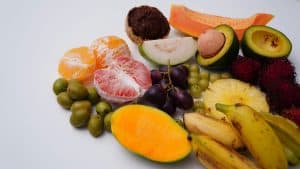
Have you ever battled mysterious rashes, hives, or an itchy scalp and just couldn’t pin down the cause? Or maybe you’ve noticed a frustrating cycle—flare-ups that follow certain meals but don’t appear linked to the usual suspects. If these sound familiar, you might want to learn about low-histamine diets for skin health and allergies.
More people are discovering the profound impact of histamine on their health, especially when it comes to chronic skin conditions and persistent allergy-like symptoms. A low-histamine diet could be the missing puzzle piece in your wellness journey. In this guide, we’ll walk you through what histamine is, how a low-histamine diet can benefit your skin and allergies, which foods to eat and avoid, and how to start this diet safely.
What Is Histamine?
Before exploring low-histamine diets for skin health and allergies, let’s quickly unpack what histamine is. Histamine is a natural chemical compound found in certain foods and produced by your own body. It plays a key role in:
- Regulating immune responses
- Supporting digestion
- Communicating with your brain as a neurotransmitter
When your immune system reacts to an allergen—like pollen or pet dander—it releases histamine, which results in classic symptoms: itching, sneezing, swelling, and redness.
Normally, an enzyme in your body called diamine oxidase (DAO) breaks down excess histamine. But if you’re sensitive or your DAO isn’t efficient, high-histamine foods or impaired metabolism can lead to a build-up, sparking symptoms even without traditional allergic triggers.

Why Choose a Low-Histamine Diet for Skin Health and Allergies?
So, why consider a low-histamine diet for skin health and allergies? Let’s look at these two connected health challenges:
1. Skin Health
High histamine levels are directly associated with several skin complaints:
- Chronic hives (urticaria)
- Eczema
- Psoriasis
- Rosacea
- Itchy, inflamed, or blotchy skin
Even “mystery rashes” often improve when you undergo a low-histamine protocol. Many find that stubborn symptoms that did not respond to steroid creams or allergy medication miraculously calm down once dietary histamine is reduced.
2. Allergies
People sensitive to histamine often experience allergy-like symptoms:
- Nasal congestion
- Watery eyes
- Sneezing
- Headaches
- Asthma-like symptoms
- Digestive upset (bloating, cramps)
For some individuals, these are caused by histamine intolerance rather than classic allergies. By lowering histamine intake, you may see dramatic relief from these chronic or “unexplained” issues.

Benefits of Low-Histamine Diets for Skin Health and Allergies
Let’s get into the specific benefits of low-histamine diets for skin health and allergies:
a. Reduced Inflammation and Redness
Skin reactions like eczema, hives, and dermatitis are tied to inflammation. Histamine drives these processes, so reducing its load can visibly lessen redness, irritation, and swelling.
b. Fewer Allergy-Like Symptoms
A low-histamine diet can dramatically decrease or eliminate non-allergic rhinitis, sneezing, sinus congestion, and watery eyes—especially when typical allergy tests come back negative.
c. Less Itching and Fewer Flare-Ups
Histamine is a potent itch producer. By avoiding high-histamine foods, many people report a significant drop in the urge to scratch—critical for anyone tired of the “itch-scratch” cycle damaging their skin.
d. Improved Quality of Life
Unexplained headaches, “brain fog,” anxiety, or digestive troubles sometimes clear up on a low-histamine diet—improving your mental and physical well-being.
e. Identification of Food Triggers
A structured low-histamine approach often illuminates which foods fuel your symptoms, empowering you to tailor your diet for lifelong relief.

How Does a Low-Histamine Diet Work?
So, how do low-histamine diets for skin health and allergies actually work? Here’s what you need to know to begin:
Step 1: Eliminate High-Histamine Foods
High-histamine foods can include:
- Aged cheeses
- Smoked or cured meats (salami, bacon, ham)
- Fermented foods (sauerkraut, kimchi, soy sauce, vinegar, alcohol)
- Aged or canned fish (tuna, sardines, anchovies)
- Dried fruits (apricots, figs, raisins)
- Certain vegetables (eggplant, spinach, tomatoes, avocado)
- Pickled foods
Step 2: Emphasize Fresh, Low-Histamine Foods
Focus on:
- Free-range, fresh meats and poultry (never aged)
- Fresh-caught fish (consumed same day)
- Most green vegetables (except spinach, avocado)
- Apples, pears, blueberries, watermelon
- Eggs, rice, quinoa, and gluten-free grains
- Dairy alternatives (coconut milk, rice milk)
Step 3: Food Storage and Handling Matter
Histamine levels rise in foods as they age or spoil (even in your fridge!). Always store leftovers immediately, use airtight containers, and avoid reheating foods multiple times.
Step 4: Track Symptoms
Keep a symptom diary. Track your meals, skin changes, energy, and allergy symptoms to identify patterns or sensitivities unique to you.
FAQs About Low-Histamine Diets for Skin Health and Allergies
Q1: How long does it take to see results from a low-histamine diet?
A: Most people see initial improvements within two to four weeks. Skin often looks calmer, allergy symptoms recede, and overall energy may increase quickly.
Q2: Can I reintroduce high-histamine foods later?
A: Yes. After four to six weeks, many try a “challenge phase”—carefully reintroducing suspect foods one at a time, watching for symptoms. Some individuals discover only a few foods are true triggers.
Q3: Is a low-histamine diet safe long-term?
A: Low-histamine diets are generally safe, though you should strive for variety and nutritional completeness. It’s smart to consult with a registered dietitian or your doctor before making major changes, especially if you’re pregnant, breastfeeding, or have medical conditions.
Q4: How can I tell if I have histamine intolerance?
A: If typical allergy testing turns up nothing but you still struggle with hives, swelling, unexplained rashes, digestive complaints, or “allergy” symptoms after meals, a trial of a low-histamine diet can be illuminating. Your healthcare provider might also suggest testing for DAO enzyme activity.
Q5: Can supplements help?
A: Some find DAO enzyme supplements, quercetin, or vitamin C helpful (they can support histamine breakdown). However, supplements should not replace a low-histamine diet as your first strategy.
Tips for Success on a Low-Histamine Diet for Skin Health and Allergies
- Cook fresh meals: Avoid leftovers and pre-cooked or processed foods.
- Check food labels: Many packaged foods contain vinegar, citric acid, or “natural flavors” that could be high in histamine.
- Hydrate: Drinking plenty of water helps your body eliminate excess histamine.
- Plan ahead: Meal prepping with portioned, quick-freeze batches avoids food spoilage.
- Manage stress: High stress increases internal histamine—incorporate mindfulness, yoga, or another relaxation practice.
Conclusion: Ready to Try a Low-Histamine Diet for Clearer Skin and Fewer Allergies?
If you feel like you’ve tried everything for your stubborn skin or allergy symptoms, a low-histamine diet for skin health and allergies offers fresh hope—and, for many, long-awaited relief. By eating fresh, avoiding common triggers, and carefully tracking your results, you can unlock clearer skin, calmer days, and a healthier you.
Ready to start your low-histamine journey? Download our free starter meal plan, or book a coaching session with our nutrition expert for personalized advice! Subscribe to our newsletter for weekly tips, recipes, and science-backed insights about low-histamine living—and get empowered to take charge of your skin health and allergies, starting today.
For more reading visit this page: https://www.healthline.com/health/low-histamine-diet
Read more about health here: https://patrikwellmore.com/category/health/
This article is for informational purposes and does not replace professional medical advice. Always check with your healthcare provider before making significant dietary changes, especially if you have underlying health conditions.