
For a long time, aging research focused on the biggest possible outcome: living longer. That sounds exciting, but for most of us, the more practical question is simpler: how many years can we stay


Later-life care is starting to change in a surprisingly practical way. Instead of looking only at single symptoms, researchers and clinicians are paying more attention to small biological signals

Getting older is not only about the passage of time. It is also about how well the keeps up with repair, cleanup, and communication between cells. One of the most important discoveries in healthy
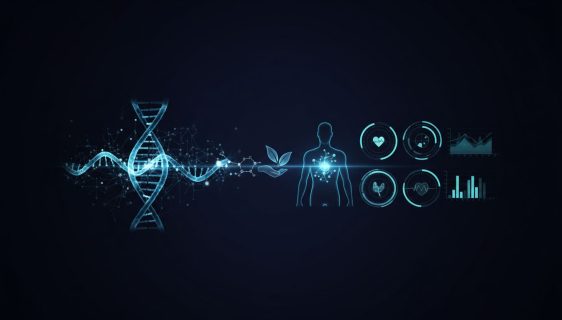
More people are hearing about biological age and wondering whether it can offer a clearer picture of health than the number of candles on a birthday cake. That interest makes sense. Chronological age

For years, partial reprogramming has sounded like one of those futuristic ideas that lives mostly in scientific papers: gently turning back some of the biological signs of aging in cells without

We live in an era where our skin, sleep and glucose don't have to exist in separate silos. Small sensors, smart watches and continuous glucose monitors (CGMs) are starting to talk to each other, and
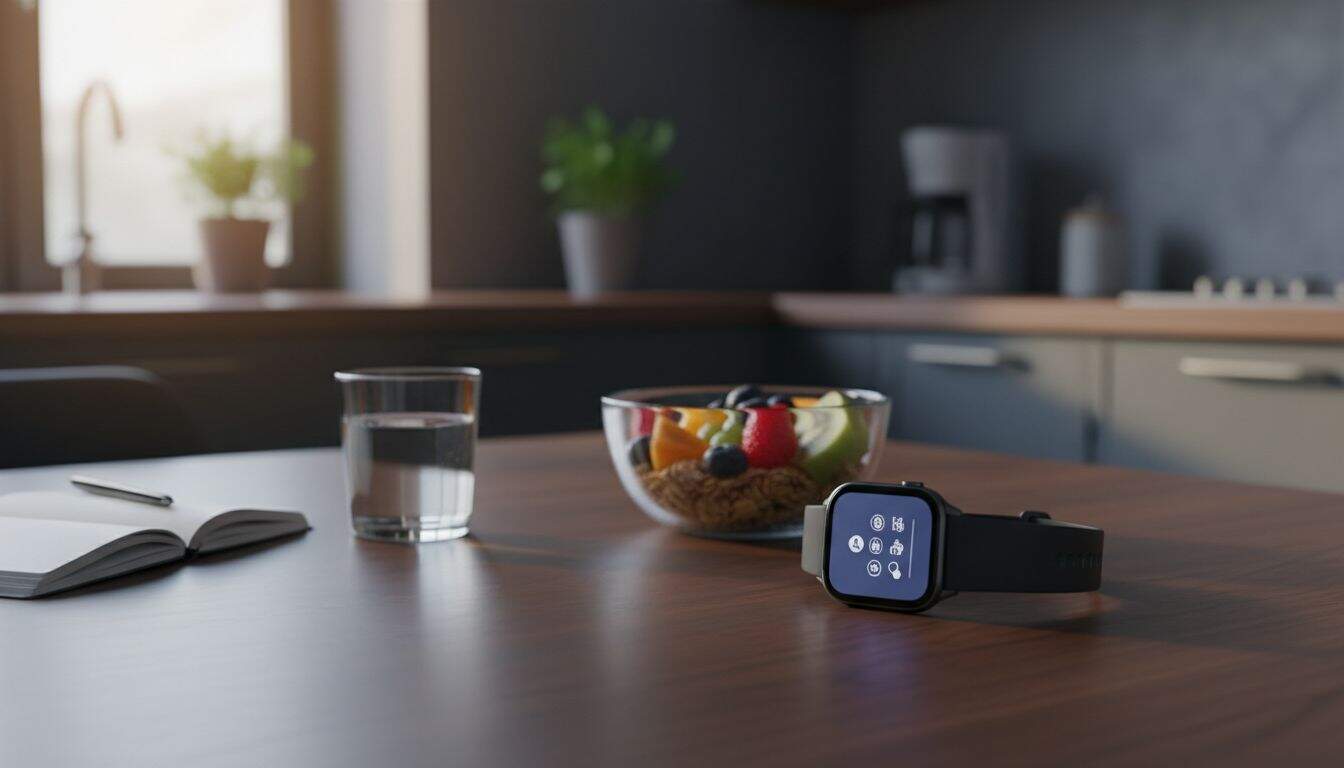
Wearables stopped being just step counters and bedtime reminders and quietly became the personal meal coaches many of us never knew we needed. As sensors got cheaper, smarter, and easier to buy,
The Science Behind HepatoBurn: A Natural Approach to Liver Wellness The liver is one of the most vital organs in the human body, responsible for crucial functions such as detoxification, protein