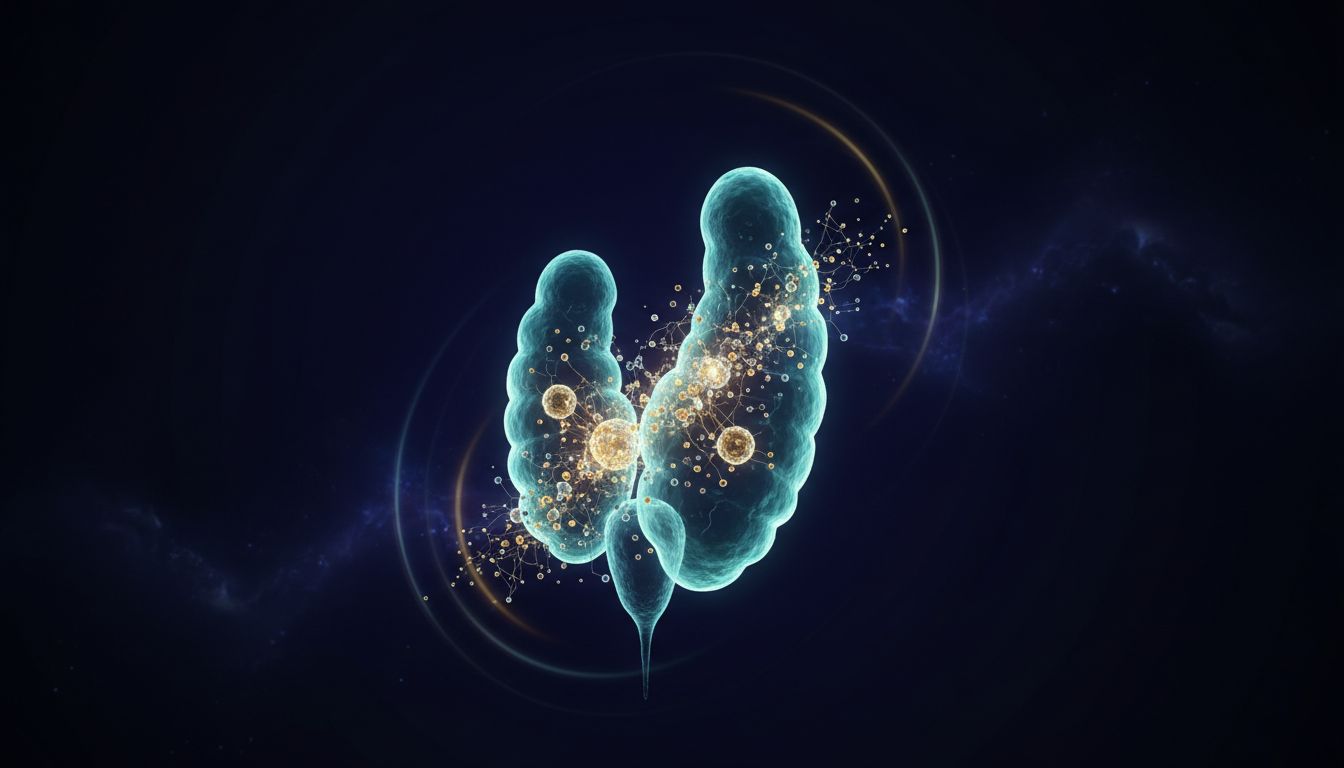

For a long time, the thymus was treated like a childhood organ: important early on, then slowly fading into the background as we age. That view is changing fast. New research is fueling what Nature Biotechnology called a “thymus renaissance” in 2026, with scientists and biotech companies exploring how to regenerate the thymus directly or recreate its immune-building function. That shift matters because the thymus is now being framed not just as a developmental organ, but as a key player in healthy aging and later-life resilience.
If you care about staying well, recovering better from illness, or keeping your immune system adaptable as the years go by, this is worth paying attention to. A healthier thymus may mean more than simply producing T cells. It could support immune diversity, improve vaccine responses, and help the bounce back after stress, infection, or medical treatment. In simple terms, a rebuilt immune organ could become part of the future of practical longevity.
Why the thymus matters more than most people realize
The thymus sits behind the breastbone and helps train T cells, the immune cells that recognize threats and respond with precision. While many people have never thought much about it, this organ plays a foundational role in teaching the immune system what to attack and what to leave alone. That training process shapes immune balance for years.
What makes the thymus especially important in the conversation about aging is that its function declines over time. As thymic function drops, the tends to produce fewer fresh T cells. According to a 2026 review on age-related thymic involution, this decline is associated with greater susceptibility to infections and cancer, along with weaker vaccine responses. In everyday terms, the immune system can become less flexible and less resilient.
That is why researchers increasingly describe the thymus as a longevity organ. Instead of seeing it as relevant only in youth, scientists now connect it with immune health across the lifespan. A stronger, better-functioning thymus later in life may help support the kind of resilience most adults want: the ability to recover, adapt, and stay robust under stress.
What happens when the thymus shrinks or gets damaged
Thymic involution, or the shrinking and weakening of the thymus, is a normal part of aging, but age is not the only factor involved. A 2025 review in Nature Reviews Immunology explained that the thymus is “exquisitely sensitive” to acute damage. That means it can be affected by more than just the passage of time.
The same review noted that infection, stress, pregnancy, malnutrition, drug use, and cytoreductive chemotherapy can all trigger thymic involution or impair thymic function. These are not rare or abstract issues. They reflect real-life pressures that many adults encounter, whether through illness, life events, poor nutrition, or medical treatments.
Why does this matter so much? Because delayed immune reconstitution after thymus damage can have meaningful clinical effects. If the thymus struggles to recover, the may take longer to rebuild a diverse and responsive T-cell pool. That can leave a person more vulnerable when they need resilience most, such as after infection, surgery, major stress, or cancer therapy.
The exciting part: the thymus can repair itself
One of the most encouraging findings from recent research is that the thymus is not simply a one-way story of decline. The 2025 Nature Reviews Immunology review highlighted something hopeful: even though regenerative capacity decreases with age, the thymus still has a “remarkable capacity for repair.” That opens the door to interventions that support or amplify natural recovery pathways.
Researchers are now mapping multiple endogenous thymus-regeneration pathways in mice to understand how immune competence returns after injury. This is a big deal because it suggests recovery is not random. There may be several built-in biological programs that the uses to restore thymic function, and each one could become a target for future therapies.
For readers interested in practical health, the main takeaway is simple: age-related immune decline may not be as fixed as once believed. Science is moving away from the idea that the aging thymus is beyond help. Instead, the field is beginning to ask how repair can be encouraged safely and effectively.
A new self-repair mechanism involving regulatory T cells
One of the most interesting 2025 findings came from City of Hope and collaborators, who reported a preclinical thymus self-repair mechanism involving regulatory T cells, often called Tregs. These cells were found to home back to the thymus after injury and help trigger regeneration. That suggests the immune system may contain its own repair crew for rebuilding this important organ.
The study identified a previously undescribed thymic Treg population that accumulates after injury and secretes amphiregulin, a molecule linked with tissue repair. In this case, amphiregulin appeared to help the thymus regenerate and produce more T cells. That is exciting because it ties immune recovery to a very specific biological mechanism, rather than a vague hope that the organ might somehow bounce back.
Even more encouraging, the findings were also observed in human tissue samples, which raises the possibility that the same mechanism could matter in people, not just mice. The report also suggested this approach may help aged mice, pushing back against the older assumption that age-related thymic loss is essentially untreatable. For healthy aging research, that is a meaningful shift.
Other regeneration strategies now on the radar
The Treg discovery is not the only approach gaining attention. A 2025 study in eBioMedicine reported that mesenchymal stem cells could reverse thymus aging by reprogramming DNA methylation in thymic epithelial cells. In plain English, that means scientists may be able to influence the epigenetic settings of key thymus cells so the organ behaves in a younger, more functional way.
Another promising line of research came from a 2024 Science Advances paper showing that thymic tuft cells and fibroblasts can promote thymus regeneration through an ILC2-mediated type 2 immune response. While the terminology is technical, the practical message is straightforward: different cell types inside the thymus appear to cooperate in rebuilding the organ after injury, and researchers are starting to understand that teamwork.
Taken together, these findings show that thymus revival is not a single-path story. It may involve stem-cell-based approaches, tissue repair signaling, immune cell communication, and changes in the local tissue environment. That variety is good news because it increases the chances that future therapies can be tailored to different needs, ages, and health situations.
Why tissue architecture and timing matter
Repairing an organ is not only about boosting the number of cells. It is also about restoring structure. A 2025 preprint on thymus tissue architecture argues that mapping how the organ changes over time can reveal mechanisms behind age-induced immune decline. This matters because the thymus is a highly organized environment, and T-cell education depends on that organization.
If the internal layout of the thymus changes with age, injury, or chronic stress, immune output may suffer even if some cells remain present. Think of it like trying to run a school after the classrooms, hallways, and teaching systems have been disrupted. For the thymus to work well, it likely needs both the right ingredients and the right layout.
This is one reason why the current wave of research feels more sophisticated than older efforts. Scientists are not just asking how to enlarge the thymus or stimulate T-cell production. They are trying to understand how the organ is built, how it breaks down, and how its microenvironment can be restored in a functional way.
What a rebuilt immune organ could mean for later-life resilience
So what does thymus revival actually mean in real life? According to the broader 2026 literature, thymus restoration is being treated as a clinical resilience strategy. The goal is not only to make more T cells, but to improve immune diversity, strengthen vaccine responsiveness, and support recovery after stress or therapy. That makes the topic much more relevant to everyday aging.
For older adults, this could eventually translate into better responses to infections, a more adaptable immune system, and improved recovery after setbacks. It may also matter for people undergoing chemotherapy or other treatments that strain the immune system. If the thymus can be protected or repaired, recovery may become smoother and more complete.
There is also an emotional side to this conversation. Many people assume that aging automatically means irreversible immune decline. This new science offers a more hopeful message. While no one should expect a miracle shortcut, the may retain more capacity for repair than we once thought, and future therapies may help unlock it.
Practical takeaways while the science develops
It is important to stay grounded. Most thymus regeneration strategies are still in the research or preclinical stage, and they are not ready to replace basic health habits. But the emerging science does reinforce something practical: the immune system is deeply affected by stress, nutrition, illness, and recovery. Supporting your overall health still matters.
That means focusing on the basics that are within reach now: eating enough protein and nutrient-rich whole foods, addressing chronic stress, sleeping consistently, staying physically active, and working with a clinician when medications or treatments may affect immune recovery. Since malnutrition, stress, infection, and certain drugs can influence thymic function, small daily habits may matter more than they seem.
It is also wise to be cautious about supplements or products that promise to “boost the thymus” overnight. The science is exciting, but real regeneration is complex. Look for evidence-based guidance, keep expectations realistic, and think in terms of long-term resilience rather than quick fixes. That mindset is better for both health and self-trust.
The renewed focus on the thymus is one of the most hopeful developments in the healthy aging conversation. Instead of viewing this organ as a fading relic of childhood, researchers now see it as a potential leverage point for immune resilience throughout adult life. From regulatory T-cell repair pathways to stem-cell and tissue-architecture research, the field is building a more practical and optimistic picture of what immune renewal could look like.
For readers who want simple meaning behind the science, here it is: protecting and eventually restoring thymus function may help people stay stronger, recover better, and respond more effectively to the challenges that come with aging. The tools are still being developed, but the direction is encouraging. A rebuilt immune organ may one day become an important part of living not just longer, but with more resilience and confidence.