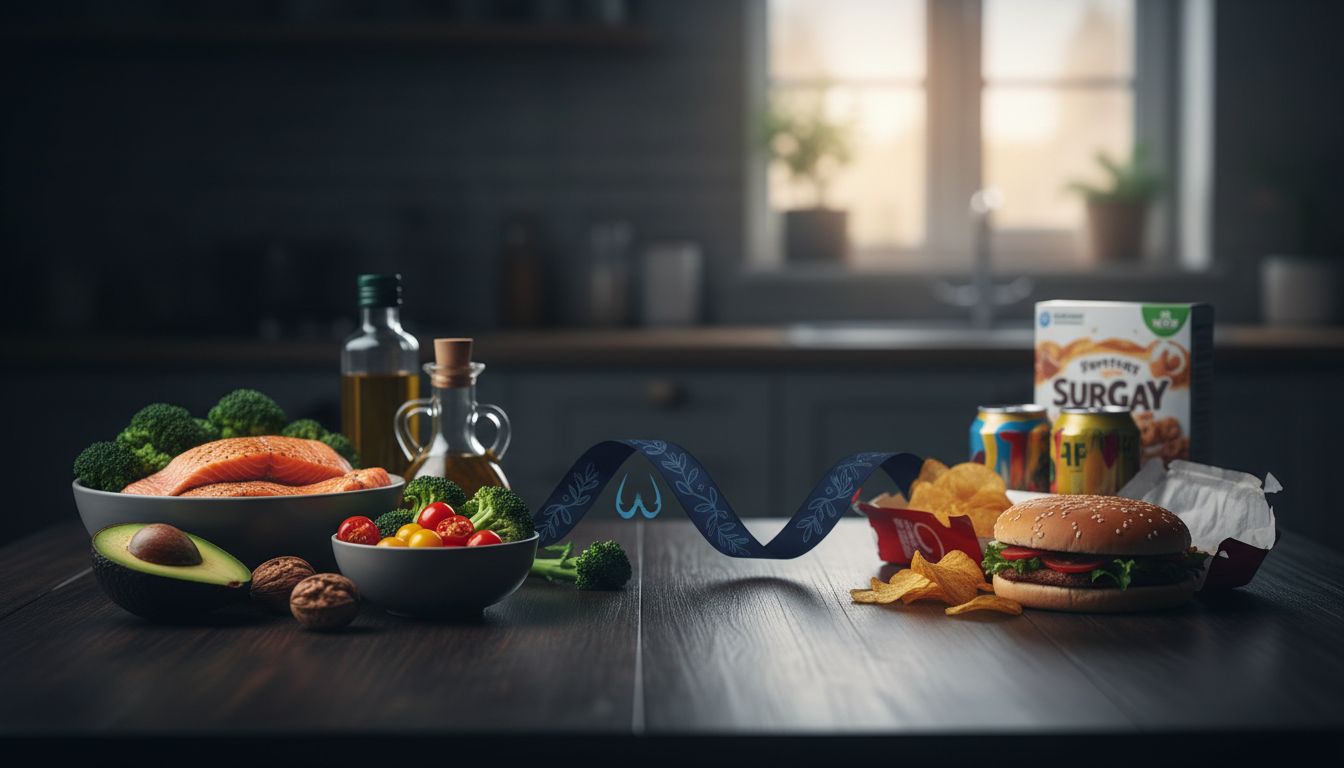

Ultra-processed foods are everywhere, and for many men they have quietly become a normal part of everyday eating. According to the NIH, these ready-to-eat or ready-to-heat manufactured products now make up more than half of all calories consumed in the United States. The problem is not just convenience. Ultra-processed foods are often high in salt, sugar, unhealthy fats, and additives, and growing research links higher intake with worse health outcomes, including cardiovascular concerns.
If you are also dealing with urinary urgency, nighttime bathroom trips, or general bladder irritation, your daily food and drink choices may matter more than you think. While diet is not a guaranteed cure, practical eating swaps can help some men reduce ultra-processed foods while also supporting urinary comfort. The good news is that you do not need a perfect diet to get started. A few simple upgrades can make meals feel less irritating, more satisfying, and easier to stick with over time.
Why cutting ultra-processed foods can support overall health
Ultra-processed foods, often shortened to UPFs, are manufactured products designed for convenience, long shelf life, and strong flavor appeal. They commonly include ingredients you would not usually use in home cooking, such as flavor enhancers, emulsifiers, and multiple refined additives. Think packaged snack cakes, chips, instant noodles, sugary cereals, frozen convenience meals, and many soft drinks.
From a health perspective, cutting back on UPFs is a smart move even before urinary comfort enters the conversation. Recent NIH coverage highlights strong evidence linking ultra-processed food intake to cardiovascular disease, and a 2024 systematic review and meta-analysis found associations between higher UPF intake and a wide range of negative health outcomes. That does not mean every packaged item is harmful, but it does mean many adults can benefit from shifting more of their meals toward simpler, less processed foods.
For men trying to improve energy, confidence, digestion, and long-term health, this is a practical place to focus. Eating more minimally processed foods often means getting more fiber, more protein quality, and fewer hidden sugars and salts. As a side benefit, cutting back on certain processed drinks and snack foods may also reduce exposure to common bladder irritants that can make urinary symptoms feel more noticeable.
Know the bladder irritants that commonly affect men
When men talk about urinary discomfort, they may mean urgency, frequency, a weak stream, bladder pressure, or waking up several times at night to urinate. These symptoms can have many causes, including bladder sensitivity and benign prostatic hyperplasia, or BPH. NIDDK notes that BPH is the most common prostate problem in men older than 50, so food and drink habits become especially relevant in midlife and beyond.
NIDDK advises that many people find certain items can irritate the bladder, including alcohol, caffeine, carbonated drinks, citrus beverages, spicy foods, chocolate, artificial sweeteners, and high-acid foods such as tomatoes. Not every man reacts to the same triggers, which is why a personalized approach matters. One person may feel worse after coffee, while another notices more trouble after spicy takeout or diet soda.
It is also important to stay realistic. NIDDK states there is no direct scientific evidence that nutrition alone makes urinary incontinence better or worse in every case. Still, dietary changes can help some people identify personal triggers and reduce symptoms. That makes food swaps a useful experiment, not a miracle claim.
Swap coffee, energy drinks, and cola for gentler hydration
One of the easiest upgrades is to reduce drinks that are both ultra-processed and potentially irritating. Coffee drinks loaded with syrups, canned energy drinks, cola, and many sweetened bottled teas can bring together caffeine, sugar, carbonation, and additives in one package. For some men, that combination is not friendly to either overall health or urinary comfort.
A practical swap is to move toward water, decaf choices, or simple herbal alternatives. Common urinary-tract guidance for lower urinary tract symptoms often includes cutting back on caffeine-containing drinks, and that includes coffee, tea, and cola. If going fully caffeine-free feels too abrupt, start by replacing one daily caffeinated drink with water or decaf and see how you feel for a week.
Hydration still matters, so the goal is not to drink too little. NIDDK emphasizes staying hydrated but not overdoing fluids, because excess intake can worsen bladder problems. A good middle ground is steady hydration across the day, using water as the default, instead of relying on large amounts of stimulants or sugary beverages.
Swap alcohol and late-night drinks for earlier, lighter choices
Alcohol can aggravate bladder symptoms, and it is also easy to underestimate how often it shows up in ultra-processed drink forms such as canned cocktails, sweet hard seltzers, and heavily flavored mixed drinks. If urinary comfort is a goal, replacing alcohol with non-alcoholic options can be one of the most helpful changes. Water, still infused water, or a simple non-citrus herbal drink are often safer choices when symptoms are flaring.
This matters even more for men managing BPH-type symptoms. NIDDK says lifestyle changes may help, including avoiding or limiting alcohol and caffeine. Mayo Clinic also notes that alcohol can aggravate bladder symptoms. That does not mean you can never have a drink again, but reducing frequency and portion size may make a noticeable difference.
Timing also matters. For men who are bothered by nighttime urination, a smart swap is late-evening large drinks to earlier hydration during the day. NIDDK recommends drinking fewer liquids, especially before going out in public or going to bed. In practical terms, that could mean front-loading most of your fluids earlier and keeping the last couple of hours before bed lighter.
Swap packaged snacks for simple whole-food options
Snack foods are a major source of ultra-processed ingredients. Chips, spicy puffs, frosted bars, packaged pastries, and ready-to-eat desserts tend to be engineered for crunch, sweetness, and repeat eating rather than nourishment. They often deliver a lot of calories, sodium, refined starch, and additives with very little fiber or staying power.
If urinary symptoms are part of the picture, spicy packaged snacks can be a double problem. NIDDK lists spicy foods as possible bladder irritants, and many spicy snacks are highly processed on top of that. A more bladder-friendly and less processed swap could be plain nuts, fruit, plain yogurt, oatmeal, or whole-grain toast with nut butter.
The best snack swaps are the ones you will actually keep around and eat. Try building a short list of easy defaults: a banana and yogurt, apple slices and peanut butter, a handful of unsalted nuts, or whole-grain crackers with hummus. These choices are simple, filling, and much less likely to come with the heavy processing found in many grab-and-go snack foods.
Swap convenience meals for whole-food plates
Another high-impact move is to replace refined-carb convenience meals with more whole-grain, fruit, and vegetable-forward meals. NIH and NHLBI recommend reading labels closely and choosing meals that emphasize whole grains, fruits, and vegetables while limiting foods high in saturated fat, added sugar, and salt. This approach naturally lowers ultra-processed food intake without requiring complicated rules.
A practical plate pattern for men is to build meals around minimally processed foods such as eggs, oats, beans, vegetables, fruit, plain yogurt, nuts, fish, chicken, and whole grains. For breakfast, that might mean oats with berries and yogurt instead of a frosted cereal bar. For lunch, it could be a chicken and brown rice bowl with vegetables instead of instant noodles or frozen fried snacks. For dinner, think baked fish, potatoes, and green beans instead of heavily processed pizza or boxed pasta meals.
This style of eating can also help you avoid common irritants that often hide in convenience foods. Many packaged meals contain high sodium levels, spicy sauces, acidic tomato bases, or flavor additives that may not sit well with a sensitive bladder. Whole-food plates make it easier to control ingredients and notice what helps you feel better.
Watch for hidden triggers like artificial sweeteners and tomato-heavy foods
Some products look healthy on the surface but can still be irritating for certain men. Diet sodas, zero-sugar flavored drinks, and artificially sweetened waters may seem like a smart move away from sugar, but NIDDK lists artificial sweeteners among possible bladder irritants. If you notice urgency or discomfort after these drinks, try swapping them for plain water or unsweetened beverages for a short trial.
Tomato-based convenience foods are another common issue. Pizza, jarred pasta meals, microwave lasagna, and tomato-rich ready-made soups often combine ultra-processed ingredients with acidity. NIDDK lists tomatoes and citrus among foods that may contribute to bladder irritation in some people, so lower-acid meal choices may help when symptoms are active.
You do not have to eliminate every potentially irritating food forever. A more practical mindset is to notice patterns and choose lower-acid, simpler meals when your bladder feels sensitive. On calm days, you may tolerate some of these foods just fine. On flare days, switching to rice, eggs, chicken, oats, bananas, cooked vegetables, or plain yogurt may feel much more comfortable.
Use a one-week swap trial and a food-and-symptom diary
If you are not sure which foods affect you, keep the process simple. NIDDK suggests avoiding suspected irritants for about a week, then reintroducing them one at a time every one to two days to see whether symptoms return. This gives you a clearer picture than changing everything randomly and hoping for the best.
A food-and-symptom diary can make this much easier. Urology Health materials on bladder and prostate symptoms encourage identifying irritants such as caffeine and alcohol, and writing things down helps reveal patterns you might otherwise miss. Track what you eat and drink, the time, your urinary symptoms, and whether you had trouble at night or when out of the house.
This kind of tracking is not about perfection. It is about learning your own . You may discover that one cup of coffee in the morning is fine, but energy drinks are not. Or you may find that spicy chips and late-evening alcohol are a much bigger problem than tomatoes at lunch. Personalized swaps are usually more sustainable than a long list of strict food rules.
The best approach to practical eating swaps is to think progress, not punishment. Reducing ultra-processed foods can support heart health, energy, and better everyday nutrition, while also helping some men lower exposure to common bladder irritants. Small changes such as choosing water over energy drinks, whole-food snacks over spicy packaged foods, and earlier hydration over late-night large drinks can add up quickly.
If you are dealing with ongoing urinary symptoms, especially if they are frequent or worsening, it is wise to speak with a healthcare professional. Food swaps can be a helpful self-care tool, but they work best as part of a bigger picture that includes medical guidance when needed. Start with a few realistic changes, keep a diary, and give yourself credit for every step toward a more comfortable, confidence-supporting routine.