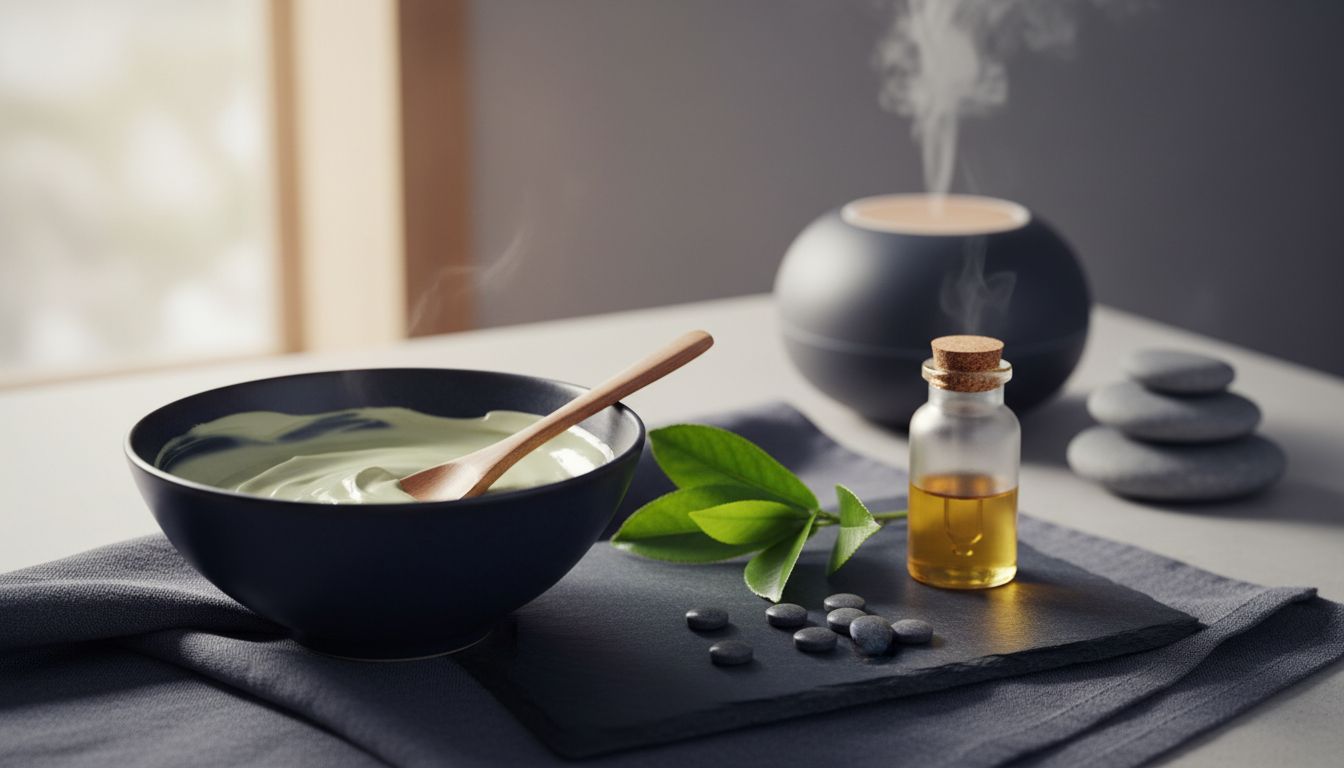

Small, repeatable rituals can do more than tidy your countertop, they can help your skin feel calmer and give your mind a clearer starting point for the day. Emerging science now treats the skin microbiome as a “living barrier” that helps maintain barrier integrity, resist pathogens, and tune immune responses. That means how you cleanse, moisturize, and handle your skin matters not only for comfort but for the ecology living on your skin.
At the same time, the idea that calmer skin supports clearer thinking is biologically plausible even if direct proof is still emerging: stress changes what our skin emits, inflammatory skin conditions carry psychological burdens, and low-stimulation care is repeatedly recommended in dermatology. Below I describe simple sensory rituals and microbiome-aware care you can try, with practical product pointers and gentle practices you can fold into a busy life.
Why the skin microbiome matters
Recent reviews have reframed skin microbes as a living barrier rather than passive passengers, they protect against pathogens, support wound healing, and influence skin pH and immune signaling. This reframing (including a 2025 review in JCI and other 2024,2025 literature) underscores that healthy-looking skin often depends on an intact microbial and lipid ecosystem, not just surface cleanliness.
Dermatology reviews from 2024 emphasize that treatments and everyday products can either stabilize or disrupt that ecology. Prebiotics, probiotics, and postbiotics are active areas of interest for managing skin conditions; however, choosing the right baseline routine matters most for everyday skincare.
Because different sites host distinct microbial communities, and dry sites often have lower abundance and diversity, your ritual can be simple and site-specific. For example, armpit odor is directly tied to microbial metabolism and host sweat chemistry, while facial lipid and microbiome patterns respond to the ingredients you use. Respecting that complexity starts with less aggressive, well-chosen habits.
Start with gentle, low-stimulation cleansing
Gentle cleansing is the microbiome-aware care baseline. Dermatology guidance such as the American Academy of Dermatology recommends fragrance-free, mild cleansers to reduce irritation and preserve barrier comfort, especially for sensitive or reactive skin. Removing buildup without stripping lipids helps the skin and its microbes stay balanced.
Pay attention to cleanser pH and ingredient type. Research shows that cleansers that aren’t pH-appropriate can unsettle barrier function and microbial balance; products with a physiologic or slightly acidic pH (often <5) may interact more harmoniously with skin. Some surfactants, even common ones, can measurably shift facial microbiome and lipid patterns, so “mild” on the label doesn’t always tell the whole story.
Practical steps: use lukewarm water, limit aggressive scrubs, and pick fragrance-free formulas labeled for sensitive skin. If you’re comparing products, look for simple ingredient lists and avoid unnecessary antimicrobial additives unless directed by a clinician for a specific condition.
Moisturize as a microbiome-friendly ritual
Moisturization is one of the most effective, low-effort ways to support skin barrier integrity and the microbial community that depends on it. Reviews from 2024,2025 highlight barrier support as central to skin health; consistent emollient use can be a practical “reset” for dry or reactive skin sites.
Choose moisturizers that restore lipids (ceramides, cholesterol, fatty acids) and humectants (glycerin, hyaluronic acid) without heavy fragrances or irritant preservatives. A microbiome-aware mindset favors formulations that protect and nurture rather than over-correct with harsh antiseptics or drying alcohols.
Turn moisturization into a brief sensory ritual: warm a small amount between your palms, use slow, deliberate strokes, and let the texture and temperature anchor a moment of calm. This helps the skin and gives your nervous system a predictable, soothing cue that can reduce perceived irritation.
Add small sensory elements to anchor calm
Sensory rituals don’t need to be elaborate. Simple elements, the texture of a balm, the warmth of your hands, a short breathing pattern, can make daily care feel restorative rather than clinical. Low-stimulation rituals align with dermatology guidance favoring simple, fragrance-free routines that reduce irritation.
Try a 60-second ritual: warm cleanser or balm in your hands, inhale slowly for four counts, exhale for six, then apply with gentle upward strokes. The combination of touch plus paced breathing engages the parasympathetic system and can lower acute stress, which may reduce skin reactivity tied to stress-related biochemistry.
Be mindful with scent: while aromatic rituals can be powerful, fragrances are a common irritant and microbiome disruptor. If scent helps you relax, opt for products that use non-sensitizing approaches (like fragrance-free textures that feel comforting) or choose clinically tested, hypoallergenic options recommended by a dermatologist.
Mind-skin connections: how emotional state shapes skin biology
Psychological stress isn’t just a feeling, it changes skin chemistry. A 2024 study found that stress altered volatile compounds emitted by the skin, demonstrating a biological link between emotional state and skin biochemistry. Those biochemical shifts can influence microbial behavior and the skin’s sensory output.
Long-term skin conditions can have profound psychological consequences: acne, atopic dermatitis, psoriasis, and chronic wounds have all been associated with anxiety, depression, and reduced quality of life in recent reviews. That’s why calming rituals and microbiome-aware care matter beyond aesthetics, they can be part of a holistic approach to wellbeing.
Keep expectations realistic: the “calmer skin, clearer thinking” idea is plausible and supported by bidirectional research, but direct proof that skin rituals alone improve cognition is still limited. Consider rituals as low-risk, high-benefit habits that support both barrier health and mental ease when combined with broader stress management.
Practical product picks and routine building
When selecting products with microbiome-aware care in mind, prioritize fragrance-free formulas, pH-appropriate cleansers (ideally slightly acidic), and moisturizers rich in barrier lipids. Look for labels that mention ceramides, glycerin, or skin-identical lipids and avoid unnecessary antimicrobial preservatives unless clinically advised.
Consider occasional microbiome-targeted products such as prebiotic cleansers or postbiotic serums if you’re curious, but treat them as complements to a gentle baseline. The dermatology literature highlights these areas as promising, though long-term, individualized benefits are still being studied.
Build a routine that you can realistically repeat: cleanse gently once or twice daily as needed, moisturize at least once daily (more in dry climates), and keep a short, calming ritual that takes 60,120 seconds. Consistency matters more than complexity for both barrier and microbial resilience.
When to seek professional help
If you have persistent redness, itch, flare-ups, or wounds that won’t heal, consult a dermatologist. Reviews emphasize that targeted interventions, sometimes including microbiome-stabilizing therapies, are appropriate for conditions like atopic dermatitis, acne, or chronic wounds, and a clinician can tailor care to your skin’s needs.
Also reach out if skin concerns are affecting your mood or daily life. Because skin disorders can carry psychological consequences, integrated care that addresses both skin and mental health is often the most helpful approach.
Finally, if you’re experimenting with pre/pro/postbiotic products or prescription options, let your clinician know so they can help you choose evidence-informed strategies and avoid inadvertent disruption of your skin’s ecology.
Small sensory rituals and microbiome-aware care are practical, low-stimulation ways to support healthier skin and a calmer mindset. They won’t be a cure-all, but by favoring gentle, pH-aware cleansers, barrier-focused moisturizers, and brief, mindful touch you create an everyday practice that supports both your skin’s living barrier and your emotional wellbeing.
Try one tweak this week, a fragrance-free cleanser, a warm-hands moisturization pause, or a 60-second breathing-and-apply ritual, and notice whether your skin and mindset feel a little steadier. Over time, consistent small acts add up, and they’re the kind of approachable, evidence-informed changes that can help you feel better inside and out.