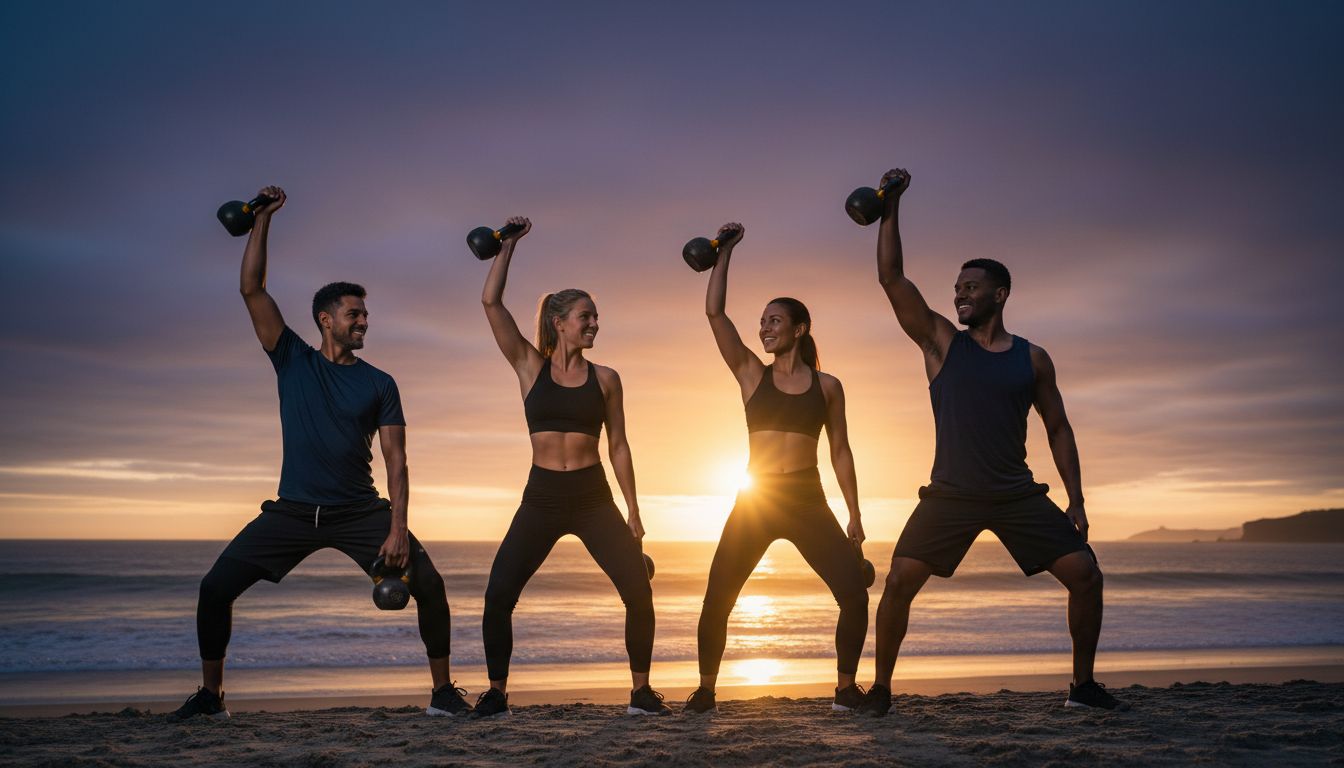

Self-image rarely changes because of one mirror moment. More often, it shifts through repeated experiences that teach you who you are. That is why strength-based movement and community rituals can be so powerful. They do not just help people burn calories or follow a plan. They help people practice a new story about themselves: capable, connected, resilient, and worthy of care.
Recent research supports this idea from several angles. Studies published in 2024 and 2025 suggest that physical activity can improve appreciation, physical self-esteem, mood, and well-being, especially when movement becomes part of identity and when people feel supported by others. In simple terms, when you begin to think, “I am someone who moves,” and when that belief is reinforced by a welcoming group, your self-image can start to change from the inside out.
Why self-image changes when movement becomes identity
Many adults try to exercise as a short-term fix for appearance, but that approach often feels fragile. If motivation drops or results come slowly, self-criticism can return fast. A more sustainable path is identity-based change. A 2024 study in Frontiers in Psychology found that exercise identity helps explain the link between appreciation and physical activity. That matters because it shows movement is not only something you do. It can become part of how you see yourself.
This idea became even stronger in a 2025 systematic review and meta-analysis showing that interventions can measurably change physical-activity identity. In practical terms, that means people can learn to view themselves differently through repeated movement experiences. You do not need to be born “athletic” for exercise to shape self-image. Identity can be built step by step through consistent action.
For readers focused on self-esteem, this is encouraging news. Instead of asking, “How do I force myself to work out?” it may help to ask, “What kind of person am I becoming when I move?” That shift creates room for pride, patience, and self-respect. It also reduces the pressure to look perfect, because the reward is no longer only visual. It is personal.
How strength-based movement builds respect for the
Strength-based movement often reshapes self-image because it highlights function before appearance. When you notice that you can lift more, balance better, or recover faster, your becomes more than an object to judge. It becomes a partner. This kind of experience can be especially helpful for people who have spent years focusing only on flaws.
A 2024 pilot study on -positive powerbuilding called “EmpowerHER” found that empowering exercise supported movement competency, strength, mental well-being, and quality of life. That combination matters. Competency changes how people relate to themselves. Instead of thinking, “My is not enough,” they begin to think, “My is learning, adapting, and supporting me.”
Strength training can also create a steady form of confidence because progress is often measurable. A heavier dumbbell, a deeper squat, or a first push-up tells a clear story: growth is happening. For many adults, that kind of proof is more healing than chasing a number on the scale. It turns self-esteem into something earned through practice, not borrowed from outside approval.
The role of supportive communities in shaping self-concept
Movement feels different when it happens in a supportive social environment. A 2024 intervention study using self-determination theory and acceptance and commitment therapy found that exercise is easier to sustain when it aligns with personal values and when people feel socially supported. This is one reason group classes, walking clubs, and strength communities can have such a strong impact on self-image.
Belonging helps people interpret effort in a healthier way. In a harsh environment, struggling can feel like failure. In a kind community, struggling often feels normal and shared. That simple difference can protect self-esteem. People are more willing to try, to improve, and to stay consistent when they do not feel judged for being beginners or imperfect.
A 2025 study of Chinese CrossFit participants found that community belonging and sport commitment helped explain continued participation. This suggests that people keep showing up not only because of results, but because the group becomes meaningful. Over time, belonging reinforces identity. You are not just attending a workout. You are part of something, and that sense of place can strengthen self-concept.
Why rituals matter as much as workouts
When movement includes ritual, it often becomes emotionally deeper. Ritual does not have to mean anything dramatic. It can be a pre-class breath, a group warm-up, a shared cheer, the same playlist every Saturday, or a cool-down reflection with others. These repeated actions signal meaning. They tell the brain and , “This is more than exercise. This is a practice.”
Research in 2025 on 5 Rhythms dance connected ritual-like movement to liminality, flow, and communitas, suggesting that these experiences can be self-transformative. In everyday language, ritualized movement can create moments where people step out of old roles and experience themselves differently. They may feel freer, more expressive, or more connected than in ordinary life.
A 2025 meta-analysis on group affirmation also argued that shared group memberships contribute to self-integrity. That helps explain why community rituals can protect and rebuild self-image. When people participate in a shared movement practice, they often feel competent, valued, and socially anchored. Those feelings are powerful antidotes to isolation and self-doubt.
Dance, rhythm, and embodied self-connection
Not all strength-based transformation happens with barbells. Dance and rhythm-based movement also reshape self-image, especially by helping people reconnect with their bodies in a less judgmental way. A 2025 randomized controlled trial found that a 16-week dance intervention improved loneliness and self-esteem. While the study focused on left-behind children, the broader lesson is useful for adults too: movement with rhythm and emotional expression can change how people feel about themselves.
A 2025 Arts in Health study found that dancers described connection through self-care, creativity, identity, and community. This is important for anyone who has felt disconnected from their . Dance can turn the from a problem to solve into a source of expression and presence. That alone can soften harsh self-talk and support a healthier self-image.
Another 2025 review of dance-related wellbeing suggested that dance supports embodied mindfulness and self-care in ways that go beyond simple exercise compliance. In practical terms, dance invites attention to sensation, breath, emotion, and rhythm. That kind of awareness helps people build self-respect from experience, not just from goals. It is movement as relationship, not punishment.
Belonging as protection against shame and stigma
Self-image is not shaped in a vacuum. It is influenced by culture, comparison, and stigma. That is why belonging matters so much. A 2025 systematic review on higher-weight social identity found that shared identity can act as both a risk and a protective factor in the harms of weight stigma. In a supportive setting, group belonging can buffer negative messages and help people hold onto dignity and self-worth.
This pattern appears in other contexts too. A 2024 systematic review and mixed-methods synthesis on disabled veterans found that sport changed self-identity largely through social connection, self-views, quality of life, and the creation of a “new self.” The key point is that people often rebuild identity in relationship with others. Community gives shape and language to personal change.
For readers trying to improve self-esteem, this means you do not have to do everything alone. Joining the right group can help counter shame that has been reinforced for years. Whether it is a beginner lifting class, a dance circle, an adaptive sport community, or a neighborhood walking group, the experience of being welcomed as you are can be deeply healing.
How appreciation grows through motivation and meaning
Self-image improves more easily when movement is driven by meaningful motives rather than guilt. A 2025 cross-sectional study reported that in men, self-compassion was linked to planned physical activity through intrinsic exercise motivation, which then improved positive well-being through appreciation. This supports a practical truth: people tend to feel better about themselves when they move for reasons that feel internal, kind, and personally relevant.
That is why values matter. If exercise is connected to energy, confidence, stress relief, creativity, or long-term health, it becomes easier to maintain. The 2024 intervention study grounded in self-determination theory and acceptance and commitment therapy also reinforced that aligning exercise with personal values helps sustain activity and improve mood and self-esteem.
This is a useful reminder if your routine has felt forced or inconsistent. Before changing your workout plan, consider changing your reason. Ask what kind of life you want movement to support. When your “why” feels real, your actions become easier to repeat, and repetition is what slowly reshapes both identity and self-image.
Simple ways to use strength-based movement and community rituals in daily life
You do not need an extreme program to benefit from strength-based movement and community rituals. Start small and make it repeatable. Two or three short strength sessions each week, a regular dance class, or a Sunday walk with a friend can be enough to create momentum. Consistency matters more than intensity when the goal is identity change.
It also helps to create small rituals around movement. Wear the same comfortable outfit that makes you feel capable. Begin with one grounding breath. Write down one thing your did well after each session. Celebrate milestones with a supportive friend or group. These habits may seem minor, but they build emotional meaning around movement and make self-respect easier to practice.
Finally, pay attention to your environment. Follow -positive content if it helps reduce comparison and supports appreciation; a 2025 systematic review found that -positive social media content shows promise for improving satisfaction, appreciation, and mood in the short term. Choose spaces, instructors, and communities that emphasize encouragement, skill-building, and belonging. The right environment can make healthy change feel safer and more natural.
The biggest lesson from current research is that movement changes more than the . It can change identity, mood, belonging, and the way people talk to themselves. Strength-based movement and community rituals reshape self-image because they offer repeated proof of capability and repeated experiences of connection. Over time, those experiences become a new internal reference point.
If you want better self-esteem, start with something practical and compassionate. Pick a form of movement that helps you feel strong, choose a community that feels supportive, and add one small ritual that makes the practice meaningful. You do not have to become a different person overnight. Often, self-image improves because you keep showing up until you realize you already are becoming someone stronger, kinder, and more connected.