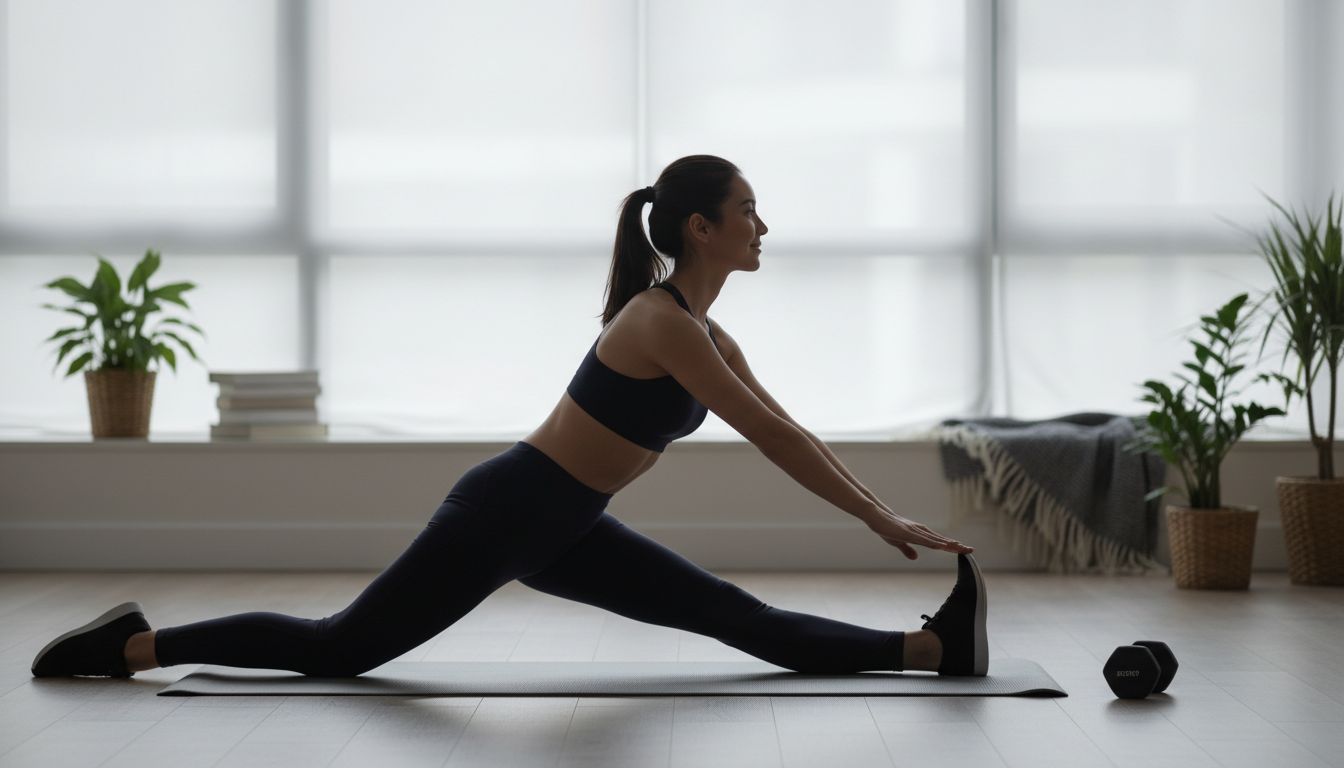

If the idea of going to the gym for an hour feels impossible some days, here’s good news: tiny bursts of movement actually add up. The modern U.S. Physical Activity Guidelines and recent expert commentary remind us that “Every minute counts” toward your weekly activity goals, so a string of one-minute actions can become meaningful progress.
This article shares science-backed reasons to care about one-minute movement habits, simple ways to build them into your day, and practical ideas you can use at work or home. These habits are friendly to busy schedules and to people who want small, confidence-building wins that compound over time.
Why a minute matters: science-backed micro-moves
The 2nd edition of the U.S. Physical Activity Guidelines removed the outdated rule that activity must last 10 minutes to “count.” The guidelines explicitly say that bouts, or episodes, of moderate-to-vigorous physical activity of any duration may be included in your daily total, which means that short efforts legitimately contribute toward the 150 minutes/week target.
A 2023 JAMA viewpoint reinforced that message with the simple framing “Every minute counts,” emphasizing that even very short bouts of movement provide health value. Population and device studies also show that when we count short fragments of activity, daily totals and weekly benefits become more achievable for many people.
Device-based evidence supports this shift: accelerometers detect lots of brief movement fragments across the day, and removing the 10-minute bout rule raises the estimated contribution of these micro-moves to overall physical activity. In short, a minute here and there isn’t negligible—it’s cumulative.
Real metabolic wins: glucose, insulin and fats
If you’re tracking metabolic health, short movement breaks matter. Multiple randomized trials and systematic reviews show that interrupting prolonged sitting with brief walking or standing breaks improves postprandial (after-meal) glucose, insulin, and triglyceride responses compared with uninterrupted sitting.
Meta-analyses of interrupted-sitting experiments report median reductions of roughly –9.5% for standing breaks and about –17% for light walking breaks when compared to prolonged sitting. A single 60-second stair-climb done after a mixed meal even produced measurable reductions in post-meal glucose at specific time points in a 2020 trial. Those are detectable, clinically meaningful shifts from very short moves.
These experimental results are supported by workplace guidance from the CDC and other public-health bodies that explicitly recommend brief activity breaks—standing, stair climbs, or short walks—to improve insulin sensitivity, blood pressure, and even sleep quality when used regularly.
Brain, mood and focus benefits from tiny breaks
Movement isn’t just about calories or glucose. Short walking breaks and brief, intermittent activity also support cognitive function: randomized crossover studies show that breaking sitting with brisk walking improves inhibitory control and neuroelectric markers linked with attention and executive function.
On the mood side, brief moderate activity reduces feelings of anxiety and tension for many people. The CDC highlights that even short bursts of movement at work can help reduce stress and improve alertness, which makes micro-breaks a smart strategy during long or demanding workdays.
So whether you need sharper focus for a meeting or a mood lift mid-afternoon, a one-minute move can be an evidence-based nudge toward better brain and emotional performance.
Build tiny habits that actually stick
Behavior science gives us practical rules for building one-minute movement habits. BJ Fogg’s Tiny Habits approach recommends starting with actions you can do in less than 30 seconds and anchoring them to existing routines; James Clear’s Two-Minute Rule suggests scaling new habits to two minutes or less so they feel easy and repeatable.
Start by choosing a cue you already do every day: after putting the kettle on, after a bathroom break, or after completing a meeting. Pair that cue with a one-minute move—marching in place, a stair climb, or a set of calf raises. That repeatable loop (cue + tiny action + immediate enjoyment) is what creates habit momentum.
Keep expectations realistic: the goal of one-minute habits is consistency, not perfection. Once a tiny routine is automatic, you can gently layer more minutes, add repeats, or increase intensity. Small wins build confidence and make larger changes feel attainable.
Practical one-minute moves and how to layer them
Here are simple, concrete one-minute movement ideas you can do almost anywhere: climb one flight of stairs at a comfortable pace, march or jog in place, perform chair squats, do calf raises while waiting, walk briskly around your office or kitchen, or do a minute of desk push-ups. Short high-intensity efforts (about 1 minute) can be used in interval formats if you are healthy and cleared for harder exercise.
Think of these moves like micro-deposits into a weekly activity bank. Repeating one-minute moves multiple times per day turns them into meaningful totals: for example, six one-minute stair climbs across a day is six minutes of purposeful activity, and repeated days accumulate toward the 150-minute weekly target.
Layering works well: anchor one-minute moves to frequent triggers (phone chimes, coffee refills, ad breaks) and cluster them if you have time. Adding incidental steps and short standing breaks boosts NEAT (non-exercise activity thermogenesis), which research shows can explain large differences in daily calorie expenditure across people.
Measure progress, safety and long-term gains
Use simple tools to track tiny wins: a basic pedometer or smartphone step counter, short timers, or habit apps work well. Device-assessed research shows that each additional ~1,000 steps/day links with lower all-cause mortality in large meta-analyses (an umbrella review found roughly a 9% lower risk per 1,000-step increment), so even small step increases matter over time.
Remember safety and gradual progression. If you plan short high-intensity 1-minute efforts, build up slowly and get medical clearance if you have chronic conditions. For general micro-movements, focus on form, avoid overdoing it early, and adapt moves to your fitness level.
Finally, celebrate consistency. One-minute movement habits are about stacking tiny behaviors into meaningful health improvements. Whether your aim is better glucose control, more daily steps, improved focus, or just feeling more active, the science supports that short, frequent moves add up.
Ready to try? Set one tiny anchor today—make a plan to do a one-minute move after your next cup of coffee, phone call, or bathroom break. Give yourself a week to notice how small, consistent actions make the day feel more energized and productive.
Over time, those tiny minutes become minutes earned: measurable health benefits, improved mood and focus, and a habit base that scales to longer workouts if you want them. One-minute movement habits are simple, practical steps toward a healthier, more confident you.