
Well-being works best when it is not treated as a mystery. In recent years, health guidance from organizations such as the CDC, NIH, and WHO has pointed in the same direction: feeling well is not only about what happens inside the , and it is not only about mindset either. Everyday health is increasingly understood as a mix of biology, behavior, and social connection. That is good news, because it means small practical actions can make a meaningful difference.
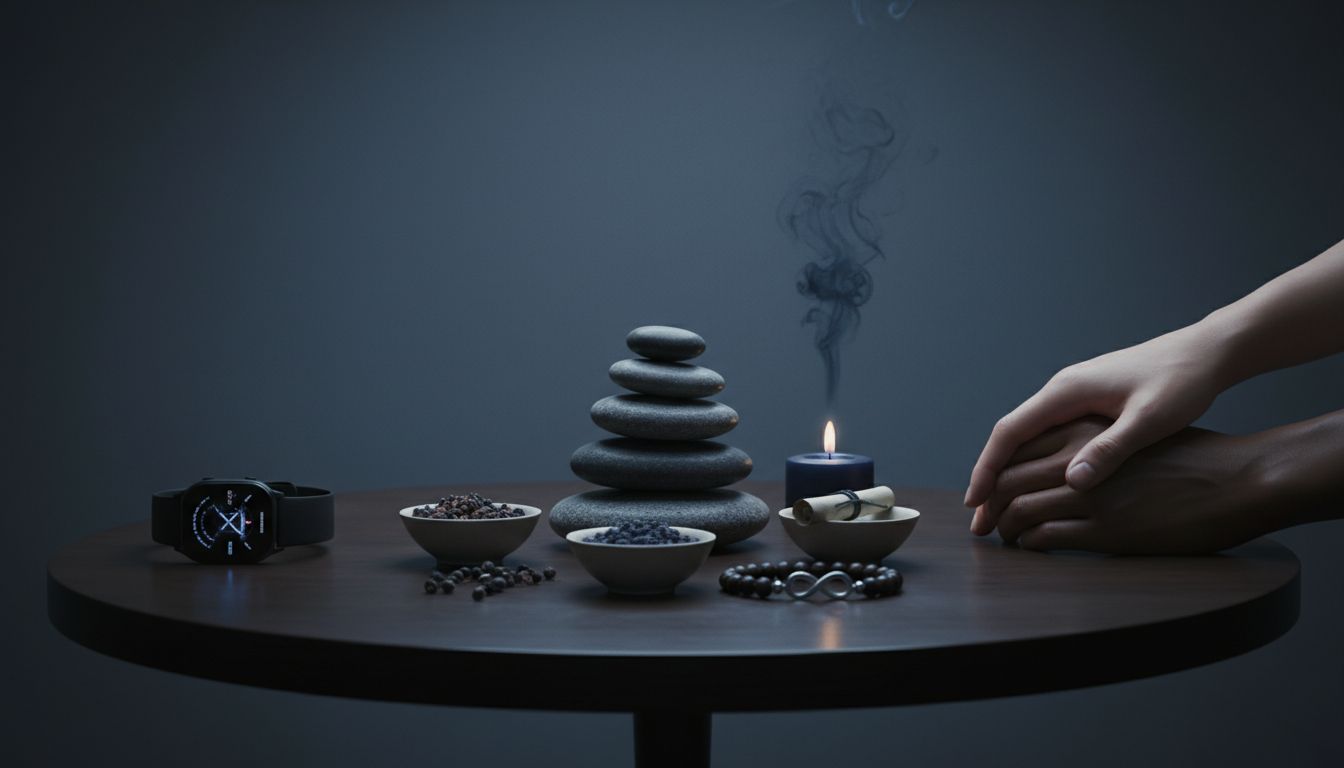
If you have ever felt overwhelmed by wellness advice, a simpler framework can help. A practical playbook for everyday well-being is to balance three things at once: track one biomarker, keep one ritual, and invest in one community. This approach makes health feel less abstract and more doable, while also supporting physical health, mental well-being, and self-esteem in a way that fits real life.
Why everyday well-being needs a balanced approach
Many people are used to thinking about health in separate boxes. You might look at sleep as one issue, stress as another, and loneliness as something personal rather than medical. But recent public health guidance makes it clear that these areas are deeply connected. The CDC notes that social connection can improve stress, sleep, healthy eating, physical activity, and overall well-being, while also helping protect against depression, anxiety, heart disease, stroke, and dementia.
The WHO’s social-determinants framing also gives this idea a very practical foundation. Health depends on more than genes and access to a doctor. Safe neighborhoods, stable housing, education, meaningful work, and connected communities all shape how long and how well people live. In other words, your health habits matter, but your environment and your relationships matter too.
This is why a balanced everyday well-being strategy is more realistic than chasing a perfect routine. Instead of trying to optimize everything at once, it helps to combine a small -based measure, a repeatable habit, and steady social support. That trio creates a system that is easier to maintain when life gets busy, stressful, or unpredictable.
What biomarkers can tell you without running your life
The word biomarker can sound clinical, but in everyday life it simply means a measurable sign that gives you feedback about your health. Biomarkers do not replace how you feel, but they can complement self-reported well-being by revealing risks earlier. Social-health research has highlighted that measurable indicators can help identify trouble before permanent biological damage happens, which means they can guide earlier and more useful interventions.
For a practical approach, you do not need a complicated dashboard. A helpful shortlist for everyday well-being includes sleep, blood pressure, physical activity, and mood or mental well-being. These measures line up with current guidance because they reflect the , the nervous system, and daily behaviors that are strongly linked to long-term health.
The key is to track enough to notice patterns, but not so much that you become anxious about every fluctuation. One biomarker is often enough to start. If your sleep is inconsistent, monitor sleep. If stress runs high or you have a family history of hypertension, pay attention to blood pressure. If your days are mostly sedentary, track steps or movement minutes. Choose the measure that gives you the clearest next step.
A simple biomarker shortlist for real life
Sleep is one of the most useful starting points because it affects mood, focus, appetite, recovery, and resilience. If you wake up drained, feel wired at night, or rely heavily on caffeine, sleep may be the first signal to watch. You can keep it simple by noting bedtime, wake time, and how rested you feel in the morning.
Blood pressure is another practical marker because it can reflect the cumulative effects of stress, activity, diet, and overall cardiovascular strain. Home monitors are widely available and easy to use. If you choose this marker, consistency matters more than perfection. Take readings at similar times and look for trends rather than reacting to one isolated number.
Physical activity is a friendly biomarker because it is actionable right away. You can track steps, active minutes, or how often you break up long sitting periods. Mood and mental well-being also deserve a place on the shortlist. The WHO-5 Well-Being Index, still relevant following its October 2024 publication update, remains a practical self-report tool for tracking mental well-being over time. It is simple enough for everyday use and helpful for spotting whether your habits are truly supporting how you feel.
Why rituals make healthy choices easier to repeat
Good intentions are fragile when they depend on motivation alone. Rituals help because they reduce friction and make healthy actions more automatic. A ritual is not about perfection or performance. It is a small practice done in a consistent way, often tied to a regular time or cue. That structure can turn well-being from something you think about into something you actually do.
Recent health messaging also supports the power of repeated shared activity. NIH has highlighted social bonds as a protective health habit and points to groups such as theater, choir, or orchestra as examples of how regular participation builds supportive ties. This matters because rituals do not have to be private. Some of the most durable well-being habits are shared with others and become part of your weekly rhythm.
A strong ritual should feel grounding rather than exhausting. That could be a 10-minute morning stretch, an evening walk after dinner, a phone-free cup of tea before bed, or a Sunday meal prep session. The best ritual is the one you can keep when life is imperfect. Repetition creates stability, and stability creates momentum.
How to build one ritual that actually sticks
Start by anchoring your ritual to a moment that already exists. This is often easier than creating a brand-new slot in your day. For example, you might do five minutes of breathing after brushing your teeth, take a short walk after lunch, or write down three lines in a journal before turning off the light. The smaller the ritual, the more likely it is to survive a hectic week.
It also helps to choose a ritual that matches your current need. If your main biomarker concern is sleep, an evening wind-down ritual makes sense. If your stress is high, a morning ritual that lowers your sense of chaos may work better. If your mood dips when you isolate, a ritual that includes reaching out to someone can support both emotional health and social connection at once.
Keep your standards low enough for consistency. A ritual should be easy to restart after disruptions. Missing a day does not mean the routine failed. It simply means the next repetition matters most. Well-being improves through return, not through streaks that collapse under pressure.
Why community belongs in your health plan
One of the clearest messages from recent public health guidance is that social connection is not a luxury. The CDC treats it as a core health lever because it affects stress, sleep, healthy eating, physical activity, and overall well-being. It also helps protect against serious mental and physical health risks. That makes community as important to everyday health as many individual habits people usually focus on first.
The NIH’s 2025 explainer on social bonds reinforces this idea with practical examples. Joining a group, attending shared activities, or taking part in something creative with others can build supportive ties that protect health over time. You do not need a huge social circle to benefit. What matters more is regular, meaningful contact that helps you feel seen, supported, and involved.
The WHO’s recent emphasis on community participation also fits this picture. In 2025, global health strategy again highlighted community engagement as central to resilience and well-being. Community rituals may even offer mental-health benefits beyond individual coping, giving people a shared space to process difficulty and maintain connection. That reminder is especially valuable in a time when many adults feel busy, digitally connected, yet personally isolated.
Practical ways to invest in one community
Investing in community does not have to mean becoming extremely social overnight. Think smaller and more consistently. You might schedule a weekly call with a sibling, join a walking group, attend a fitness class, volunteer locally, reconnect with neighbors, or become a regular at a book club, faith group, choir, or hobby meetup. The goal is recurring contact, not occasional effort.
If social energy feels limited, choose a format that matches your personality. Some people thrive in lively groups, while others prefer one-to-one connection or quieter shared activities. The NIH’s examples of theater, choir, and orchestra are useful because they show that connection often grows best around a shared purpose. When the focus is on doing something together, conversation can feel more natural and less forced.
It also helps to put community on the calendar like any other health habit. If you only wait until you feel lonely, tired, or distressed, connection becomes reactive. A recurring plan creates support before you urgently need it. That is one reason community can be such a protective part of an everyday well-being routine.
The 2026 playbook: track one, keep one, invest in one
If you want a simple structure, this is the everyday well-being model to remember: track one biomarker, keep one ritual, and invest in one community. This balancing approach reflects the growing evidence-based view that health is biological, behavioral, and social at the same time. It is simple enough to use right away, but flexible enough to personalize.
For example, you might track sleep, keep a 15-minute evening wind-down ritual, and commit to a weekly walking group. Or you might monitor blood pressure, maintain a morning stretching practice, and have dinner with family every Sunday. Another option is to track daily steps, use the WHO-5 weekly for mental well-being, and attend a choir or creative class each week. Each version supports the same core system.
The adjustment rule is just as important as the setup. If biomarkers worsen, increase ritual consistency and social support before assuming you need a complete life overhaul. If sleep drops, protect your evening routine and lean into supportive contact. If mood worsens, make your ritual gentler and increase safe connection. If blood pressure trends upward, review stress, movement, and isolation together rather than separately. This is where the balanced model becomes especially useful.
How to review your progress without becoming obsessed
A practical review rhythm can keep you engaged without making well-being feel like a full-time project. Once a week, take five minutes to ask: What happened with my biomarker? Did I keep my ritual most days? Did I connect with my chosen community? These questions are simple, but they reveal a lot about what is supporting you and what is draining you.
Try to look for direction, not perfection. The latest WHO results suggest population-level well-being has improved overall, with 1.75 billion additional people living healthier lives in 2025 compared with the 2018 baseline, but progress remains uneven because equity and funding challenges still matter. On a personal level, the same principle applies. Improvement is rarely linear, and your circumstances influence what is realistic from week to week.
If your progress stalls, avoid framing it as failure. Instead, treat it as information. Maybe your biomarker choice is too complicated, your ritual is too ambitious, or your community plan is too vague. Make one small adjustment and test again. A good well-being system should feel supportive, not punishing.
Balancing biomarkers, rituals and community offers a realistic way to care for yourself without chasing extreme wellness trends. It respects the fact that your gives signals, your habits shape your days, and your relationships influence how resilient and supported you feel. When these three areas work together, everyday well-being becomes more stable and more achievable.
The best part of this approach is that you can begin where you are. Pick one measure to watch, one ritual to repeat, and one connection to strengthen this week. Small steps may look ordinary, but over time they can build a healthier, calmer, and more confident life.