
Body image rarely shifts because of one big moment. More often, it changes through small experiences repeated over time: how you move, how you speak to yourself, and what your phone keeps placing in front of your eyes. That is why micro strength sessions, mindful movement, and gentle tech nudges are getting so much attention. They are simple, realistic tools that fit into busy adult life and can quietly support a healthier relationship with your .
Recent research gives this idea real momentum. Studies published in 2025 and 2026 suggest that brief digital interventions, mindfulness practices, and movement-based approaches may improve appreciation, reduce negative emotional impact from social media, and strengthen awareness of bodily signals. If you want practical ways to feel more at home in your without overhauling your whole routine, these small shifts are a smart place to start.
Why small actions can have a big effect on image
Many people assume image improves only after major weight changes, dramatic fitness plans, or long wellness programs. In reality, image is shaped by daily feedback loops. A two-minute movement break, a mindful breath before checking social media, or a short strength set in the kitchen can all send a different message: your is not just something to judge, but something to use, notice, and support.
This matters because image is closely tied to attention. When your attention is constantly pulled toward appearance comparisons, your self-worth can start to feel fragile. But when attention shifts toward function, sensation, and capability, your often becomes less of an object and more of a lived experience. That change may sound subtle, but it can be powerful.
Research from 2025 and 2026 supports this direction. A 2025 systematic review found that mindfulness- and self-compassion-based interventions show promise for improving image. In 2026, a four-week digital micro-intervention linked to intuitive eating also showed promise for increasing appreciation in young adults, suggesting that brief, scalable tools can make a real difference.
How micro strength sessions build respect for the
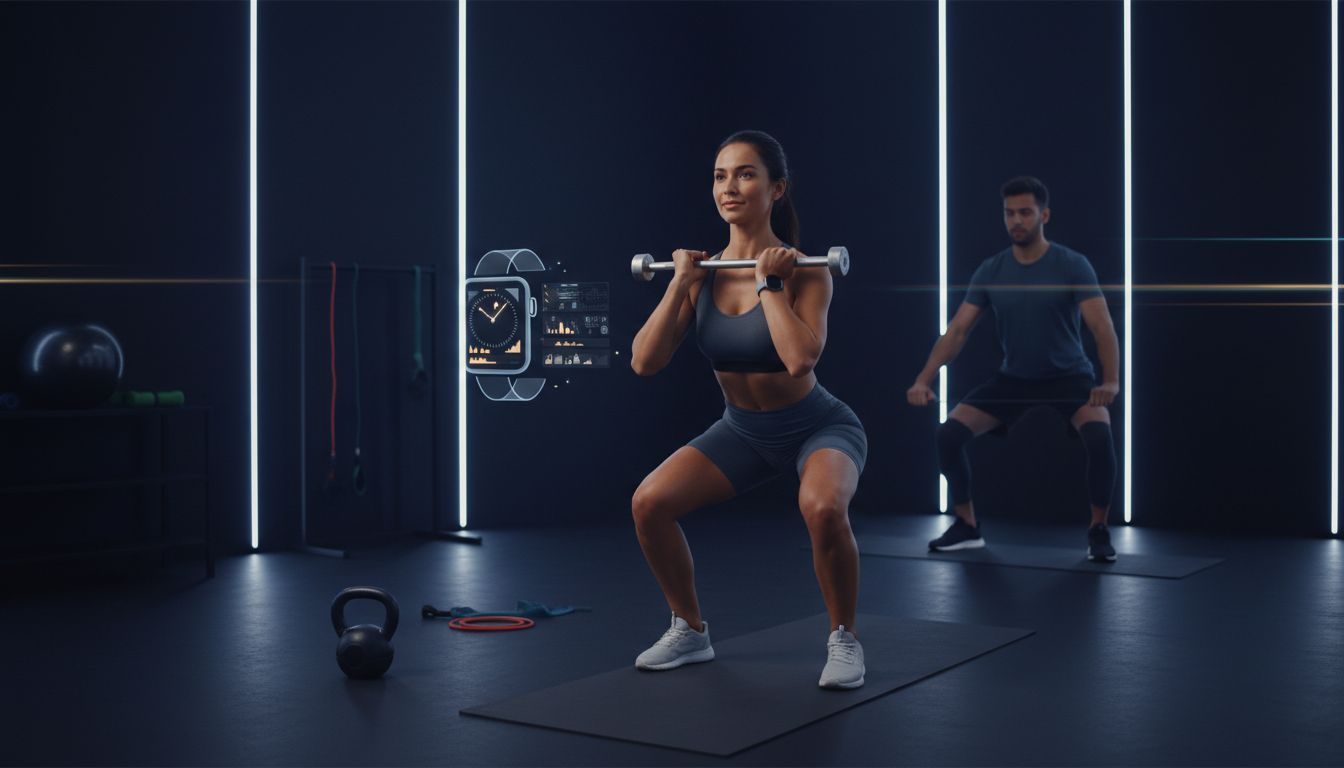
Micro strength sessions are short bursts of resistance work, often lasting from two to ten minutes. Think squats while the kettle boils, wall push-ups between meetings, or a quick dumbbell circuit before a shower. Their value is not only physical. These sessions can also help rebuild trust in what your can do right now, even on days when motivation is low.
One reason this works is that strength training offers immediate evidence of capability. Instead of asking, “How do I look today?” you start asking, “How many reps felt solid?” or “Do I feel steadier carrying groceries?” That shift from appearance to function can reduce self-criticism and create a more grounded kind of confidence. It is self-esteem built from action, not comparison.
Micro sessions are especially helpful for adults who feel intimidated by all-or-nothing fitness culture. A short session is easier to repeat, and repetition builds identity. When you regularly show up for a three-minute strength break, you reinforce the idea that caring for your does not need to be extreme to count. Small wins accumulate, and image often improves when self-care starts to feel doable rather than punishing.
Mindful movement makes exercise feel better, not just look better
Mindful movement means bringing attention to breath, muscles, balance, effort, and emotion while you move. It can happen during walking, yoga, dance, stretching, or strength work. The goal is not perfect focus. The goal is to return your attention to your actual experience instead of getting trapped in judgment about calories, appearance, or performance.
A 2026 randomized controlled trial found that mindfulness during exercise improved affective valence, post-exercise enjoyment, exercise intention, and exercise behavior. In plain English, being more mindful during movement helped people feel better while exercising and made them more likely to want to do it again. That matters because activities that feel emotionally rewarding are easier to maintain than routines built on guilt.
There is also growing interest in more embodied forms of mindful movement. In 2026, researchers published a trial protocol testing a 12-week modern dance plus mindfulness program for recreational adult dancers. This reflects a wider shift in health research: movement is not only a tool for burning energy, but also a way to reconnect with the as expressive, intelligent, and alive.
What mindfulness can teach you about trust
One of the most useful benefits of mindfulness is improved interoception, which means noticing internal signals such as tension, breath, hunger, fullness, and emotional shifts. When you are disconnected from these signals, it becomes easier to treat the like a problem to fix. When you can hear them more clearly, it becomes easier to respond with care.
A 2026 study of 3,469 real-world app users found that engagement with a digital mindfulness intervention was associated with changes in interoceptive awareness, including “ listening” and “trusting” bodily signals. That is important for image because trust changes the relationship. Instead of constantly overriding your with rules, you begin practicing curiosity and response.
This can be especially meaningful during life stages that reshape perception. A 2026 study in pregnant women found that a mindfulness-based intervention improved image and maternal-fetal attachment. While that specific research focused on pregnancy, the broader lesson applies widely: mindfulness can support a kinder, more connected experience of a that changes over time.
Digital image tools are getting shorter and smarter
Not every helpful image intervention has to be long or intensive. In fact, some of the most promising recent work focuses on short digital experiences. These include single-session tools, four-week micro-programs, and quick practices that users can complete at home. For busy adults, that is encouraging news.
In 2025, several digital image interventions showed reach and promise. A single-session intervention for LGBTQ+ adolescents pointed to the value of scalable micro-session models. A four-week online pilot called BIBo targeted harms linked to appearance-related social media. Another undergraduate study, “In the Mirror: Functional Appreciated Bodies,” tested a gratitude-based -functionality micro-intervention designed to increase positive image and reduce eating-disorder symptoms.
Together, these studies suggest that image support does not always require a massive time commitment. Short, focused practices can still help, especially when they redirect attention toward functionality, gratitude, and self-awareness. For many readers, this is good news: consistency matters more than intensity, and even a small digital tool can become a meaningful part of your self-care routine.
Tech nudges can protect image in a scrolling world
Your phone can either amplify appearance pressure or help reduce it. That is where tech nudges come in. A tech nudge is a small design cue or prompt that gently steers behavior, such as a reminder to pause after ten minutes of scrolling, a bedtime app limit, or a notification asking whether you want to continue on a comparison-heavy platform.
The case for these nudges is strong. A 2025 systematic review found tight links among social media, self-objectification, self-compassion, and image. In other words, the way people engage with appearance-driven content matters deeply. Also in 2025, a randomized online experiment found that a 10-minute mindfulness meditation could reduce the negative effects of thinspiration and fitspiration exposure on self-esteem, mood, and appreciation. Another study found that self-compassion writing and mindful breathing protected image after appearance-based social media exposure.
Researchers are also exploring practical ways to reduce excessive phone use. A 2025 randomized crossover trial tested a multifaceted nudge-based smartphone intervention, and another 2025 study proposed notification-based nudges designed to reduce overuse without becoming irritating. While these studies were not -image-specific, they are highly relevant. If tech nudges reduce harmful scrolling and create more moments of awareness, they may help protect image simply by interrupting the comparison cycle.
Simple habits that combine strength, mindfulness, and nudges
The most effective routine is usually the one you will actually repeat. A practical place to start is to pair a micro strength session with a mindful cue. For example, do one set of chair squats or countertop push-ups, then take three slow breaths and ask, “What does my feel like right now?” That question gently shifts your brain from judgment to observation.
You can also use your phone more intentionally instead of trying to avoid it completely. Set a lock-screen reminder such as “Notice, don’t compare,” or use app timers during the part of the day when you tend to fall into appearance-driven scrolling. If you know certain accounts leave you feeling worse, mute them and replace them with feeds focused on skill, recovery, creativity, or realistic wellness.
Another useful habit is to end movement with appreciation rather than critique. After a short walk, stretch, or strength set, write one sentence about functionality: “My legs carried me today,” or “My shoulders felt strong lifting that bag.” This mirrors the logic behind recent digital micro-interventions that focus on functionality and gratitude. Over time, these tiny reflections can make image more stable and compassionate.
What a realistic week might look like
You do not need a perfect plan. A realistic week could include three micro strength sessions of five minutes, two mindful walks where you focus on breathing and sensation, and one or two tech nudges that limit unhelpful scrolling. This is enough to create repetition without adding stress. The goal is to make image support part of ordinary life.
For example, Monday might be a five-minute lower- strength break at home. Wednesday could be a ten-minute walk without music, simply noticing pace, posture, and breath. Friday might include a short upper- session plus a self-compassion prompt before opening social media. On the weekend, you might try a more enjoyable form of mindful movement, such as stretching, dance, or a gentle yoga video.
If you miss a day, nothing is ruined. That mindset matters. Harsh perfectionism often damages image more than inconsistency does. Friendly repetition works better. Aim for enough structure to build habits, but enough flexibility to keep those habits kind and sustainable.
Body image often improves when the becomes a place you return to, not a project you constantly criticize. Micro strength sessions help you experience capability. Mindful movement helps you feel more present and less judgmental. Tech nudges help reduce the digital habits that fuel comparison and self-objectification. Each strategy is small on its own, but together they can shift your daily experience in a meaningful way.
The encouraging takeaway from recent research is that you do not need a dramatic reset to start feeling better in your . Brief interventions, mindful practices, and gentle digital boundaries are showing real promise. Start small, stay curious, and choose habits that help you feel more connected, more respectful, and more at ease in your own skin.