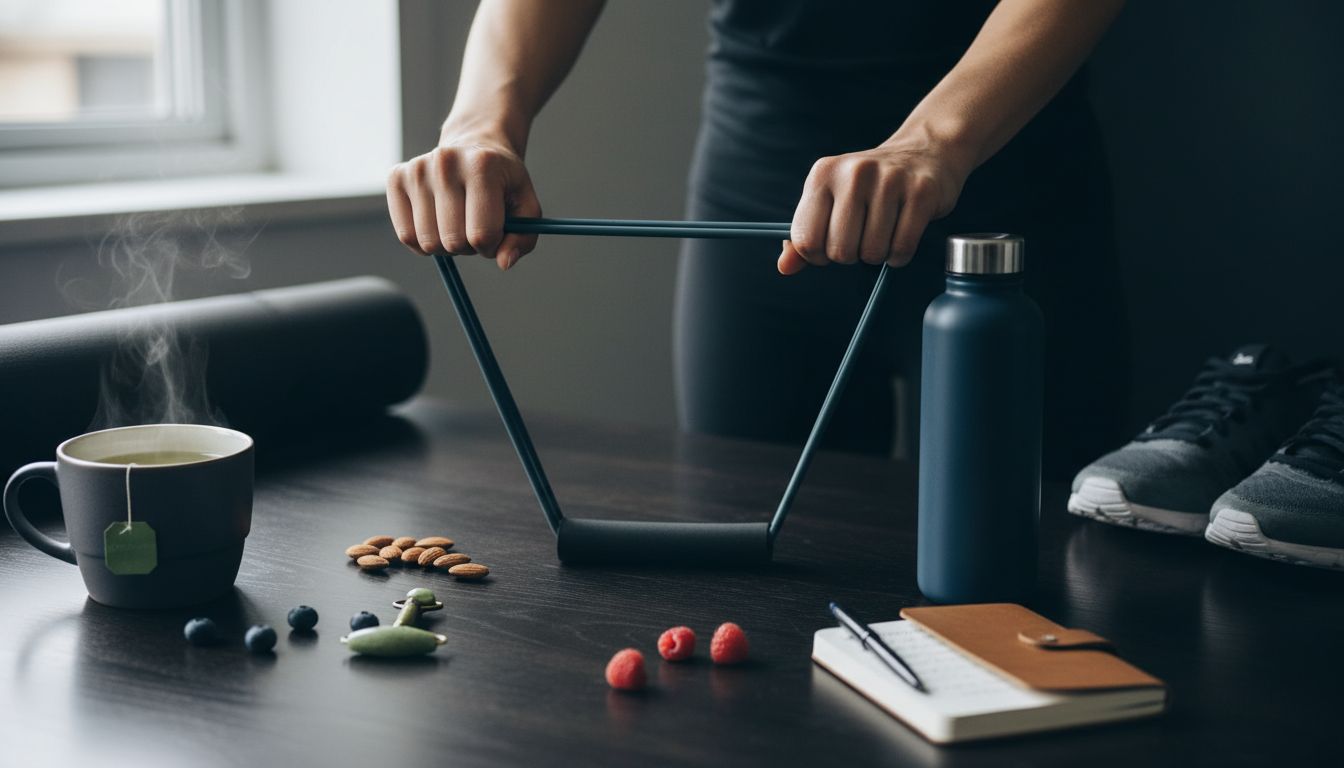

If you feel stuck behind a desk, drained after lunch, or uncertain where to start with exercise, five-minute movement snacks are a low-effort habit worth trying. These tiny bursts of activity are designed to fit into the cracks of your day,no gym, no special gear, and no long commitment required.
Backed by growing research and guidance from trusted health organizations, short movement breaks can boost mood, sharpen focus, and even improve metabolic markers. Read on for friendly, practical ways to use five-minute movement snacks to lift your energy and confidence.
What exactly are five-minute movement snacks?
Five-minute movement snacks are short bouts of physical activity,often about five minutes long,taken several times throughout the day. They fall under the broader idea of “exercise snacks,” which researchers define as brief sessions lasting 10 minutes or less, spaced across the day to make activity time-efficient.
Some studies and reviews note the concept can include even shorter bursts, sometimes one minute or less, showing how flexible the approach is. The key point is frequency and accessibility: small doses of movement repeat throughout the day instead of (or in addition to) a single long workout.
Practically speaking, a five-minute movement snack could be a brisk walk to the mailbox, a set of stair steps, a brief weight circuit near your desk, or a standing stretch sequence. The goal is to interrupt sedentary time and get your moving in a way that’s sustainable for you.
Why they lift mood and energy
Physical activity is one of the most reliable short-term mood boosters we have. Harvard Health explains that regular activity increases energy, improves sleep and mood, and can help relieve anxiety and depression. When motivation is low, their guidance even suggests starting with just five minutes a day.
The World Health Organization also highlights that physical activity has a positive effect on depressive symptoms and improves mood, which makes movement snacks relevant beyond fitness,these breaks are mental-health tools as much as physical ones. Brief movement triggers neurochemical changes (endorphins, neurotransmitters, and improved blood flow) that can lift your mood quickly.
Because there’s little evidence that most foods reliably boost energy long-term, Harvard Health’s energy guidance points toward movement as a more dependable pick-me-up than reaching for snacks high in sugar. Short activity breaks give you a real, physiological lift without the energy crash that often follows sugary treats.
The science: measurable benefits from very small doses
Research shows tiny bouts of activity can produce measurable effects. A 2024 randomized crossover study found that three minutes of walking every 30 minutes of sitting improved neurocognitive function and helped with post-meal glucose regulation. That’s a clear example of a short movement snack affecting both brain and metabolism.
In another 2024 randomized controlled trial, just one minute of light stair-stepping reduced postprandial blood glucose in non-diabetic adults,proof that even one-minute micro-breaks can have metabolic benefits. Larger reviews and meta-analyses in 2024 also described exercise snacks as a time-efficient strategy for improving cardiometabolic health.
Feasibility and enjoyment matter for long-term habits. A 2025 randomized controlled trial delivering exercise snacks remotely found high adherence and enjoyment among inactive adults, suggesting these brief practices are both doable and pleasant enough to stick with over time.
How short movement breaks improve focus and productivity
Interrupting long periods of sitting with brief activity enhances cognitive performance and engagement. The CDC’s guidance for classroom physical activity notes that brief movement breaks can improve concentration, on-task behavior, motivation, and academic performance,findings that apply to adults in workplace or home-office settings too.
Workplace guidance from the CDC also highlights that physical activity breaks can be done standing or sitting, which underscores how accessible micro-movements are during the day. A quick stand-and-stretch or short walk to the window can reset attention and reduce fatigue.
When you build multiple five-minute movement snacks into your schedule, you create repeated opportunities to refresh your brain. Those mini resets add up: better focus in meetings, less mental fog, and a sense of progress that supports confidence and self-esteem.
Simple five-minute movement snack ideas you can do anywhere
Keep options that fit different settings. At your desk: stand, march in place, do seated leg lifts, or follow a one-minute mobility flow. If you have stairs nearby, try a minute or two of stair-stepping. For home: a brisk walk around the block, a short yoga sun-salutation sequence, or a quick weight circuit (squats, lunges, push-ups).
Micro-timers help. Set an alarm every 30,60 minutes or use a smartwatch prompt to remind you to move. The 2024 and 2025 studies suggest that very short, frequent bouts,sometimes as brief as one minute,still count, so don’t worry about perfection.
Adapt activities to your fitness level and constraints: chair-based stretches for mobility, standing calf raises to wake up circulation, or 3,5 minute walks after meals to help glucose control. Small wins are still progress.
How to make movement snacks stick without guilt
Start with tiny goals. If five minutes feels ambitious, begin with one minute of movement every hour,research shows even these tiny breaks can help. The important habit cue is consistency, not intensity. Celebrate small wins to build momentum and self-esteem.
Pair movement snacks with existing routines: after a Zoom call, before you open email, or right after bathroom breaks. Habit-stacking makes these micro-choices automatic. The remote-delivery trial in 2025 showed that when a program is easy and enjoyable, adherence improves,so keep the experience pleasant.
Track lightly and iterate. Use a simple checklist or a note in your calendar. If you miss a break, don’t punish yourself,just move at the next opportunity. Over weeks and months, tiny, regular activity adds up to real changes in energy, mood, and fitness.
Safety, progression, and when to check with a professional
Movement snacks are low-risk for most adults, but consider your health history. If you have cardiovascular disease, recent surgery, balance issues, or chronic conditions, check with your healthcare provider before starting a new pattern of activity. Start slowly and choose movements you can do with good form.
Progress gradually by increasing frequency or adding intensity as your fitness improves. Some trials found that short bursts can even improve cardiorespiratory fitness compared with longer continuous workouts, but those results reflect structured progression. Build up sensibly and listen to your .
For sustained improvements across mood, energy, and metabolic health, combine movement snacks with sleep, hydration, and stress-management practices. These small changes reinforce each other and support long-term wellbeing.
Five-minute movement snacks are a practical, evidence-backed habit for busy adults who want better mood, more energy, and improved health without a big time investment. Research from Harvard Health, WHO, CDC, and multiple trials and reviews shows that tiny, frequent activity breaks can influence cognition, glucose regulation, fitness, and mood.
Start small, pick moves you enjoy, and make movement a series of tiny, nonnegotiable rituals in your day. Over time those low-friction moments become a reliable source of energy and confidence,one five-minute snack at a time.