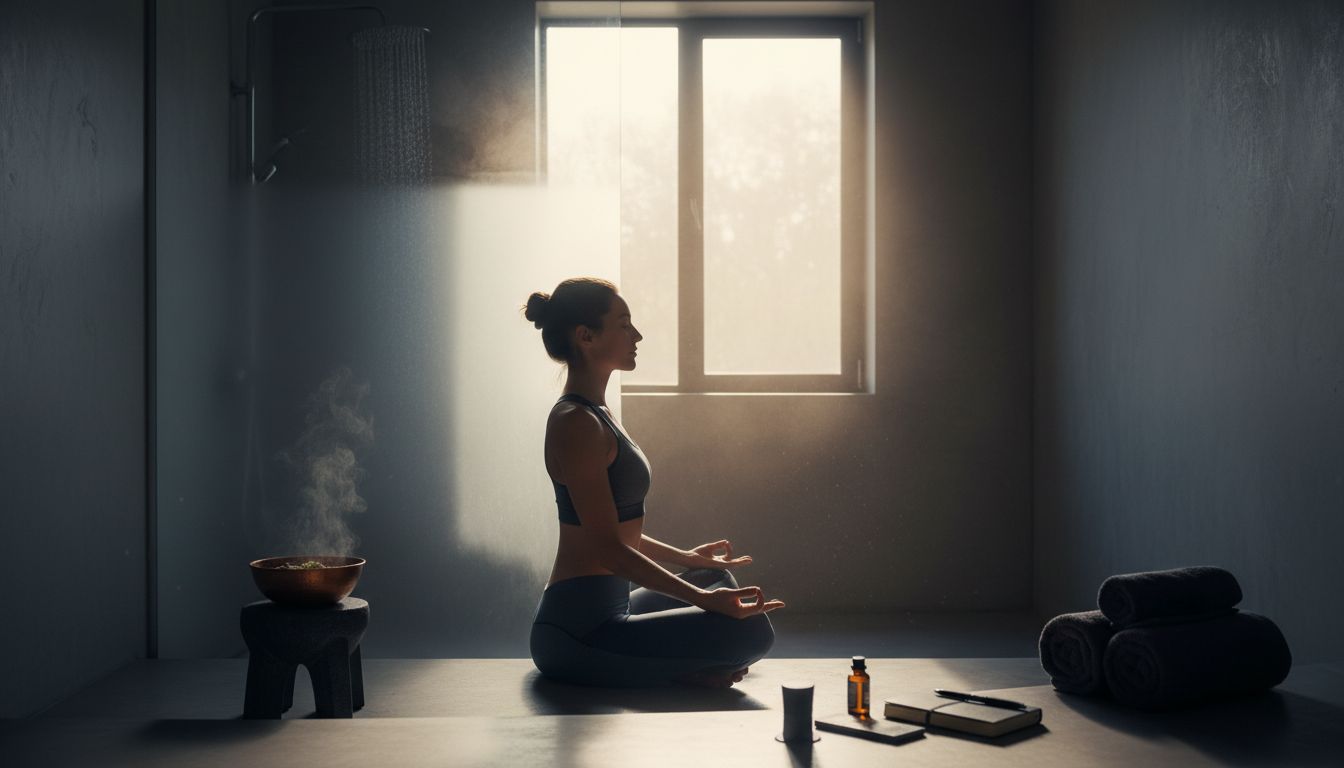

If you want a simple, science-informed way to boost your mood and give your metabolism a nudge, try pairing morning light and short heat sessions. This idea is appealing because both exposures interact with your ‘s circadian and autonomic systems in complementary ways. Morning bright light helps set your internal clock and lift mood, while controlled heat can influence vascular tone and some cardiometabolic markers.
This article breaks down the evidence, gives a straightforward routine you can try, and flags safety tips so you can experiment with confidence. Think of it as a practical reset you can do in the morning: 20,30 minutes of bright light followed by a brief, tolerable heat session tailored to your health and schedule.
How morning light resets your circadian clock and mood
Morning bright light is one of the strongest natural cues for circadian entrainment. Recent review literature continues to frame light as a key regulator of sleep timing, alertness, mood, and metabolism. When you get bright light early in the day, it signals your brain to shift melatonin rhythms and move your internal clock earlier,helpful if you tend to sleep late or want more consistent energy during the day.
Clinical research supports mood benefits too. A 2024 study found that 4 weeks of morning light treatment (at least 30 minutes per day) reduced amygdala reactivity and traumatic-stress symptoms in adults, showing that daily morning exposure can have measurable effects on brain circuits tied to emotion. Other trials are exploring morning or midday bright light for seasonal and nonseasonal depression, with attention to safety and tolerability.
Timing matters: a review shows morning bright light tends to increase positive mood, whereas bright light later in the day,especially afternoon exposure,can sometimes increase negative mood. For sleep timing, trials have used bright morning light (for example, around 6,000 lux in a maintenance study of late-sleeping adolescents) to help shift sleep earlier and extend weeknight sleep when paired with earlier bedtimes.
What bright light does to hormones and metabolism
Light doesn’t just affect sleep and mood,it also influences hormonal rhythms that link to metabolism. Recent human light-exposure research connects morning light to melatonin phase advances and downstream changes in thermoregulation, which can subtly affect how your manages energy across the day. An early 2026 review explicitly connects morning light with phase advances in melatonin rhythms and describes downstream effects on metabolism and cognition.
While the biological links are plausible, keep expectations realistic: the strongest, most consistent evidence for morning light is around circadian alignment and mood benefits. Effects on metabolic endpoints are biologically reasonable and supported in mechanistic studies, but they are generally smaller and more dependent on exact timing, light intensity, and individual factors.
In practice, using morning light to stabilize sleep timing and improve sleep quality can indirectly support metabolic health,better sleep often leads to better appetite regulation, energy balance, and daytime activity, all of which matter for long-term metabolic outcomes.
Short heat sessions: emerging evidence and real limits
Heat thermotherapy,saunas, hot baths, and similar protocols,is being discussed increasingly as a cardiometabolic tool, not just for recovery. A 2025 systematic review and meta-analysis reported reductions in mean arterial pressure after single and multiple heat sessions, supporting a blood-pressure benefit from heat exposure in some contexts.
That said, evidence for improvements in other metabolic measures is mixed and highly protocol-dependent. A 2024 crossover trial in people with type 2 diabetes found that a single sauna session did not improve post-meal glucose handling, an important reminder that short or one-off heat exposures won’t reliably change all metabolic outcomes across populations.
Overall, heat exposure may help some cardiovascular or metabolic markers, but outcomes depend on temperature, session length, frequency, and participant health. Recent reviews emphasize this heterogeneity and call for more standardized protocols to know who benefits most and how.
Why combining morning light and short heat sessions makes biological sense
Combining morning light and short heat sessions is attractive because both inputs interact with circadian and autonomic systems, but in different ways. Morning light primarily supports circadian alignment and mood by shifting melatonin and alertness rhythms. Heat exposure acts on vascular tone, thermoregulatory pathways, and stress-response systems that can influence blood pressure and some cardiometabolic markers.
The combination could therefore work as a gentle “reset”: light to set the clock and improve daytime alertness, and a moderate heat bout to provide a cardiovascular stimulus that may enhance blood-flow dynamics and stress resilience. The idea is biologically plausible, though clinical evidence directly testing combined routines is still limited.
So think of morning light as the stronger, better-established tool for mood and circadian benefits, and heat sessions as a promising but more variable tool for cardiometabolic signals. If you want both, design a gentle, tolerable routine and track how you feel and sleep over several weeks.
Practical morning routine: 20,30 minutes to try at home
Here’s a simple, evidence-informed routine to test: aim for 20,30 minutes of bright morning light as soon as you can after waking, then follow with a short heat session (10,20 minutes) if that suits you. The 2024 study that showed reduced amygdala reactivity used at least 30 minutes per day; many light-therapy devices advertise 10,000 lux at a recommended distance, while some studies in adolescents used around 6,000 lux on weekend mornings. Natural sunlight is great when it’s available.
Heat options include a 10,20 minute infrared sauna, a traditional sauna if available, or a hot soak/shower at a safe, comfortable temperature. Start with shorter exposures and lower temperatures and increase gradually based on how you tolerate it. Hydrate before and after, and avoid overheating,especially if you have cardiovascular conditions.
Practical product ideas: a dawn simulator or a bright light box for consistent morning light, and if you’re interested in heat, a local sauna session, a home steam or infrared unit, or simply a hot bath. Choose products with safety features and clear instructions, and pick devices sized for your space and budget.
Safety, timing, and who should consult a clinician
Both interventions are generally safe for many people, but there are important caveats. Bright light can trigger hypomanic or manic symptoms in people with bipolar disorder, so clinicians carefully monitor timing and intensity in those trials. If you have bipolar disorder or a history of mood instability, check with your mental-health provider before starting daily bright-light therapy.
Heat exposure also carries risks if done too hot or too long, especially for people with unstable cardiovascular disease, low blood pressure, or some medications that affect sweating and heart rate. The 2025 meta-analysis suggests blood-pressure benefits for some, but individual responses vary. Pregnant people, those with uncontrolled diabetes, or others with significant medical conditions should get medical clearance.
Start conservatively: try 20,30 minutes of light at a lower intensity or shorter duration, and a brief, comfortable heat exposure once or twice a week to begin. Track sleep, mood, and how your feels. If you notice dizziness, chest pain, mood swings, or other concerning symptoms, stop and seek medical advice.
Morning light and short heat sessions can be a practical, low-barrier way to support your daily mood and give your metabolism a gentle nudge. The strongest, most consistent evidence supports morning bright light for circadian alignment and mood improvements, while short heat sessions show promise for blood-pressure and some cardiometabolic signals but with more mixed results.
Try a simple routine for 2,4 weeks,20,30 minutes of morning light and short, tolerable heat sessions a few times per week,while paying attention to safety and individual response. With sensible precautions and consistent practice, this combo can become a small, empowering morning ritual that helps you feel more aligned, alert, and resilient.