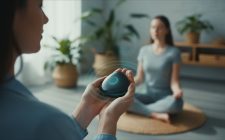
There’s power in doing less. Skinimalism,paring skincare down to a few high‑impact, sensory steps,has shifted from a niche idea into a mainstream way of caring for skin and self. The modern spin on skinimalism favors skin health first: fewer products, multifunctional formulations, and predictable, repeatable acts that feel manageable every day.
Beyond the glow, these short, intentional skincare rituals quietly influence how you feel. Behavioral research shows tiny, repeatable rituals reduce anxiety and increase perceived control, and psychodermatology gives a biological basis for why a gentle, consistent routine can also improve mood. This article breaks down the trend, the science, and easy micro‑rituals you can adopt to boost daily confidence.
What skinimalism really means today
Skinimalism,literally skin minimalism,celebrates healthy, natural skin over multi‑step layering and heavy coverage. The movement emphasizes a simplified, skin‑first approach: cleanse, repair the barrier, and protect with SPF, plus a small number of multitasking products. Editors and pro makeup artists have framed it as ‘‘less‑is‑more,’’ with healthy, hydrated skin acting as a canvas for confidence and creative makeup choices.
What changed is expectation: consumers want efficacy and value rather than product excess. Brands now often pitch ‘‘skin health’’ formulations and multifunctional items that fit the ethos of skinimalism 2.0,effective, fewer steps, and sensory friendly. That shift makes it easier to build rituals you can repeat every morning and night without decision fatigue.
Skinimalism isn’t about neglect. It’s about prioritizing barrier repair, hydration, and protection. A short, consistent routine can reduce inflammation risk and improve skin appearance over time, giving an honest, low‑maintenance glow that supports confidence.
Why the timing is right: market and social momentum
The beauty market has cooled from hypergrowth, and research shows consumers are leaning toward value and proven performance. The McKinsey/Business of Fashion State of Fashion: Beauty report (June 2025) notes a pivot to value‑conscious buyers and multifunctional products,conditions that favor skinimalism’s simple, effective approach.
At the same time, social platforms are amplifying skin‑first conversations. TikTok and platform trackers report rising searches for terms like “skin barrier” and “minimal routines,” and cosmetics trade outlets highlight rapid growth in skin‑health tag views. Consumers are tiring of ingredient overload and looking for predictable, quick routines that actually work.
Industry trends also show investment in feel‑good skincare: the neurocosmetics market is in the low‑billions (about $1.8,$1.9B in the mid‑2020s), with brands launching products designed to create immediate sensory and mood benefits. That creates a friendly product ecosystem for people who want simple rituals with pleasant cues.
The science behind tiny rituals and confidence
Behavioral experiments robustly support that simple, self‑created or scripted rituals reduce anxiety and increase perceived control. Classic work by Vohs, Wang, Gino & Norton (Psychological Science, 2013) and follow‑up reviews show rituals performed before high‑pressure tasks lower worry and boost confidence,mechanisms that translate well to short skincare sequences before a busy day.
Psychodermatology research describes a two‑way skin‑brain axis: skin and brain communicate through neural and inflammatory pathways, and sensory acts like touch, scent, and barrier repair can influence stress and well‑being. Reviews and trials in Skin Health & Disease (2023,2024) and a Clinics in Dermatology neurocosmetics review (2025) summarize how care routines can modulate mood and inflammation.
Controlled trials and spa research also show measurable physiological effects: repeated skin care or balneotherapy over weeks has improved skin hydration and reduced stress markers (salivary cortisol, HRV changes). In short, both psychology and biology support why tiny rituals can feel stabilizing and confidence‑boosting.
Practical micro‑rituals that deliver results
Try the 60,90s AM micro‑ritual: gentle cleanse, apply a barrier‑repair moisturizer, and finish with SPF. This sequence protects skin health, reduces inflammation risk, and provides a reliable ‘‘I’m protected’’ cue that lowers worry. Keep each step short and intentional so it becomes repeatable.
Sensory cues amplify benefits. A lightly scented moisturizer, a one‑minute facial massage, or a calming inhale before application can engage the parasympathetic nervous system and lower perceived stress. Neurocosmetics and spa studies show that pleasant tactile and olfactory inputs make rituals feel more rewarding and calming.
One‑step multitaskers are your friend on busy days: serums or creams that combine hydration, barrier actives, and antioxidants reduce decision fatigue while preserving efficacy. The combination of predictability and perceived control is the ritual’s psychological engine,small acts repeated reliably add up to bigger confidence gains.
How to build a confidence‑boosting routine you’ll keep
Start with a tiny, nonnegotiable anchor. Pick one short morning ritual (cleanse → moisturizer → SPF) and one evening ritual (gentle cleanser → repair cream/serum). Make them so easy you can’t skip them. Over time, the predictability becomes a comfort cue before work, social events, or moments when you want to feel more grounded.
Make rituals personal and sensory. Choose a product texture or scent you like, or add a short massage. As one behavioral review summarizes: ‘‘Rituals performed before high‑pressure tasks…reduce anxiety and increase people’s confidence.’’ The specific moves matter less than the meaning and consistency you attach to them.
Keep expectations realistic. Research links skincare behaviors to improved self‑esteem and appearance‑related confidence, but gains are usually gradual. Celebrate small wins,less redness, a smoother barrier, or simply feeling more put together,and let those wins reinforce the routine.
Shopping smart: products and habits that match skinimalism
Look for multifunctional, evidence‑backed products that reduce steps without sacrificing results. Multitasking SPF‑moisturizers, barrier creams with ceramides, and lightweight antioxidants are staples that align with the value and efficacy focus noted in industry reporting (McKinsey/BoF, 2025).
Platform trackers and consumer research show people search for simple, effective fixes,so favor items with clear claims and transparent ingredient lists. If scent and texture matter to you for ritual enjoyment, choose clean, mild fragrances or fragrance‑free options if your skin is reactive.
Budgeting for one or two reliable staples is often more effective than chasing many single‑use products. Mintel found stress affects skin for a large share of users (about 68% in 2023), making barrier repair and routine protection reasonable priorities for both skin health and peace of mind.
Skinimalism + micro‑rituals = fewer, consistent, sensory‑rich acts (cleanse, barrier care, SPF, short massage/scent) that reduce decision fatigue, lower anxiety via ritualized predictability, improve skin health over time, and reliably boost daily confidence.
Evidence from ritual science, psychodermatology, and clinical trials supports why short, repeatable skincare actions feel emotionally stabilizing and biologically helpful. For readers seeking practical change, the payoff is simple: less time deciding, more time feeling equipped and confident every day.
Whether you’re new to skinimalism or streamlining an existing routine, aim for consistency, pleasant sensory cues, and products that do more with less. Small, daily rituals can become anchors,brief doses of calm that help you face the day from a steadier place.
Try one tiny ritual for two weeks and notice how it changes both your skin and your sense of control. Over time, those minutes add up into a reliable confidence habit you can carry into work, relationships, and everything in between.