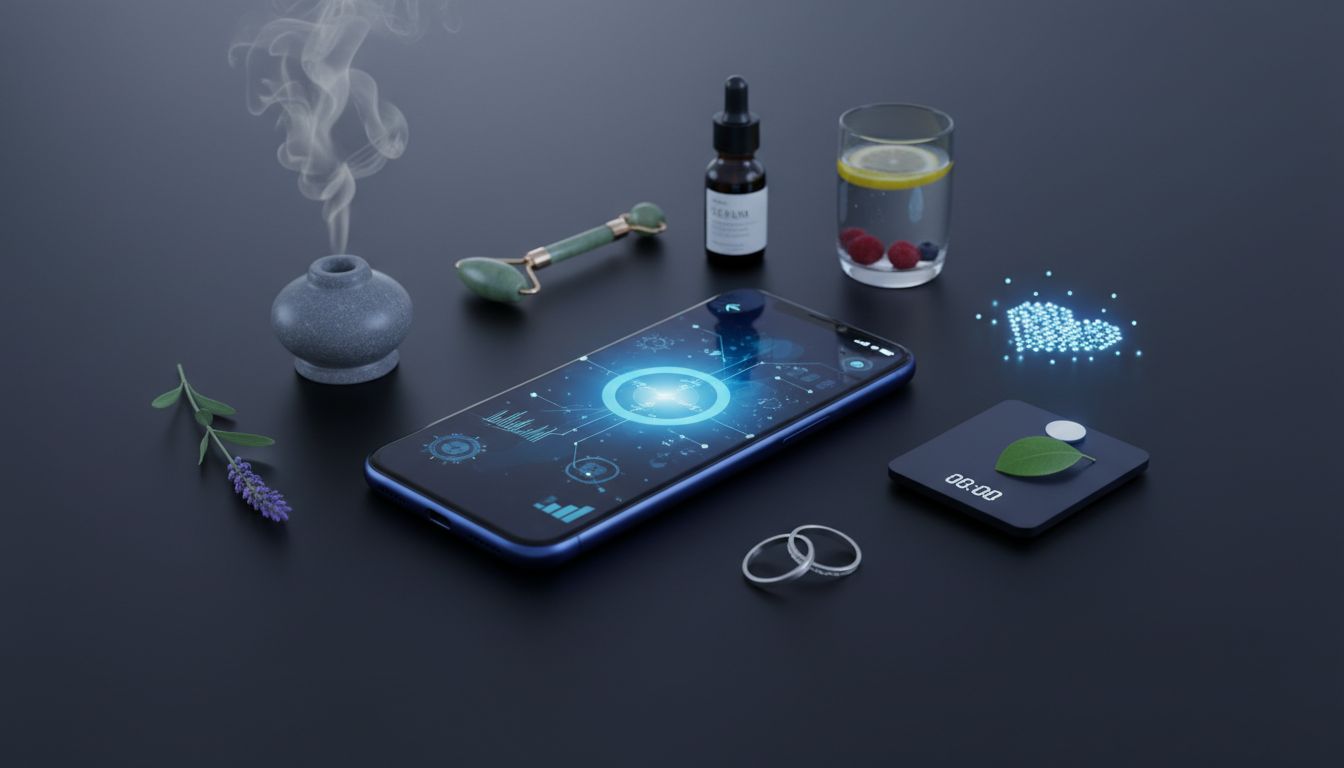

We all know self-care sounds simple on paper: sleep enough, move a little, take your meds, schedule screenings. In practice, life gets busy and good intentions slip. That’s where tiny, well-timed nudges from your phone come in,small prompts that help you turn intentions into habits without draining your willpower.
These nudges aren’t guesswork. Organizations like the World Health Organization and the CDC, along with multiple 2024 reviews, show that mobile reminders, messaging, chatbots and apps can improve prevention, chronic-disease management, and medication adherence. This article breaks down the science and gives friendly, practical ways to let phone nudges simplify your self-care.
How phone nudges actually work
Phone nudges are tiny cues: a calendar alert, a text message, a push notification or a chatbot check-in. They work by interrupting autopilot, bringing a single, clear action into focus at the right moment,like suggesting you check your glucose or reminding you to book a screening appointment.
Psychology calls this “cueing” and behavior-change researchers call reminders a core technique. They lower the energy cost of doing something: when your phone prompts you, you don’t need to remember or plan in detail,you just act. Over time, repeated cues can help those actions become routine.
The WHO and CDC both endorse these approaches. For example, WHO recommends digital health as part of the self-care toolkit and highlights how messages and chatbots can improve access. The CDC frames reminder texts as an evidence-based tool to prompt screenings and other preventive steps.
What the evidence says: big benefits from small prompts
The evidence is surprisingly strong. A 2024 WHO/ITU analysis estimated that investing just US$0.24 per patient per year in digital health interventions could save more than 2 million lives and avert about 7 million acute events and hospitalizations from noncommunicable diseases over the next decade. That’s scale from very small per-person costs.
Systematic reviews from 2024 show that mHealth behavior-change techniques and mobile apps improve treatment adherence and self-management for chronic conditions. An umbrella review synthesizing 34 meta-analyses found convincing benefits for mobile apps in type 2 diabetes, including better HbA1c control,proof that apps can do more than remind you; they can structure care.
Text-message interventions remain a core public-health tool. The CDC’s evidence review included texting as an effective health IT approach for medication adherence and chronic disease support. Longstanding studies,like vaccine reminder trials,show how a simple appointment text can change real-world behavior.
Types of nudges your phone can send
Simple reminders: calendar alerts, SMS or push notifications to take medicine, check glucose, or stand up and move. These are the most common and are backed by many public-health programs.
Structured prompts inside apps: guided checklists, timed tasks, or interactive journaling that helps you track symptoms, meals or activity. Diabetes self-management apps, for instance, often include behavior-change techniques that both remind and teach users how to respond to readings.
Conversational nudges: chatbots or messaging services that ask quick questions and provide tailored tips. WHO and other agencies point to chatbots as scalable tools that can help people know when to seek care and how to manage conditions day-to-day.
Designing nudges you’ll actually keep using
Evidence shows engagement is key: even the best intervention fails if you stop using it. Make nudges useful by setting just one clear goal at a time,like taking morning meds or checking blood sugar after meals,rather than flooding yourself with tasks.
Personalize timing and tone. A text asking “Time for your 10am walk?” feels less jarring than multiple generic push notifications. Many apps let you pick the cadence and message style; choose what fits your routine so the nudge becomes helpful instead of annoying.
Vary the cue and reward. Pair the prompt with a tiny, immediate reward,checking off a task, a quick pleasant message, or a visual streak. Rewards reinforce habit loops and boost long-term engagement as shown by 2024 engagement-focused reviews of mHealth tools.
Using nudges for chronic conditions and prevention
Nudges are widely used for chronic disease self-management. Reviews from 2024 found that mobile behavior-change techniques support treatment adherence and daily self-care in complex conditions. For people with diabetes, apps that combine reminders with educational feedback consistently improve glycaemic control.
Prevention benefits too: CDC guidance connects patient reminders to higher screening rates. A brief phone prompt can be the difference between postponing a screening and getting it done,an especially important nudge for busy adults who keep meaning to schedule preventive care.
And nudges complement telemedicine: many people with prediabetes or diabetes already use telehealth and messaging for ongoing care. Combining in-person care with phone-based nudges can help you follow treatment plans and spot when you need to seek help.
Privacy, boundaries and choosing the right tools
Digital nudges work best when they respect your privacy and choices. Check app permissions, read privacy policies for messaging services, and prefer tools from trusted organizations or health systems when possible. WHO highlights digital health’s potential to expand access, but it’s reasonable to be cautious about data sharing.
Set boundaries so nudges support you without overwhelming you. Limit notification windows, choose the least invasive channel (text vs push vs email), and mute or adjust messages that arrive at inconvenient times. You control how the phone helps you,don’t let it add stress.
If an app asks to sync sensitive health data, decide whether the benefits outweigh the risks. Many users can get big gains from simple SMS or calendar reminders without sharing a lot of personal information.
Practical steps to start using phone nudges today
Pick one small habit to target,take a medication, log meals once a day, or book that overdue screening. Use your phone’s native tools first: create a repeating calendar event, enable a reminder, or schedule a daily alarm. Low-friction solutions often work best.
If you want more structure, try a reputable health app or secure messaging service that supports the behavior you care about. For chronic care, choose apps that include behavior-change techniques (goal setting, feedback, reminders). Look for evidence of clinical benefit,studies showing improved outcomes like HbA1c are a strong sign.
Experiment with timing and phrasing for a week, then tweak. If engagement drops, switch channels or reduce frequency. And consider pairing phone nudges with social support,share progress with a friend or clinician if that motivates you.
Phone nudges are small, low-cost tools that, when designed and used well, can make daily self-care simpler and more consistent. The research from WHO, CDC, and multiple 2024 reviews shows these tiny interventions can have big effects on prevention and chronic-disease outcomes.
Start small, protect your privacy, and choose tools that fit your life. With the right setup, your phone can be a gentle partner in self-care,helping you do the small things that add up to better health.