
You’ve invested in the mechanical keyboard, the 240Hz monitor, and the perfect gaming chair. But are you neglecting the most critical piece of hardware in your setup—your body?
For too long, the conversation around peak gaming performance has centered on peripherals and settings. Meanwhile, many gamers are fueling their multi-hour sessions with sugar-laden energy drinks and salty snacks that lead to crashing focus, jittery aim, and debilitating eye strain.
The truth is, cognitive performance and visual endurance are directly linked to what you eat and drink. The right gamer nutrition plan isn’t just about health; it’s a legitimate competitive advantage. This guide will dive deep into the science of how to eat for laser focus, sustained energy, and healthier eyes.
Why What You Eat Matters: The Science of Gaming Performance
Gaming is a marathon, not a sprint. It demands sustained cognitive function, quick reaction times, and intense visual processing. When you’re in a ranked match or a clutch raid, your brain is operating at a high level, consuming vast amounts of energy (in the form of glucose) and nutrients.
The Focus Neurotransmitters: Key chemicals like dopamine and acetylcholine are essential for attention, motivation, and memory. Their production relies on specific amino acids and vitamins found in food.
The Energy Rollercoaster: Simple carbs and sugar cause a rapid spike and an even faster crash in blood sugar. This leads to brain fog, irritability, and laggy decision-making—the exact opposite of what you need.
Combating Digital Eye Strain: Staring at a screen reduces your blink rate, leading to dry, tired eyes. The blue light emitted from monitors can also contribute to long-term retinal damage. Certain nutrients act as a shield, protecting your eyes and reducing fatigue.
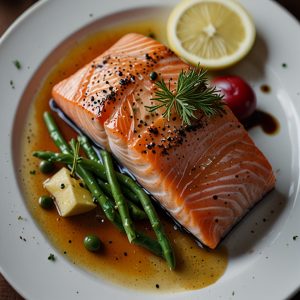
Fuel for Focus: Top Foods for Cognitive Performance
The goal here is to provide a slow, steady release of energy to the brain while supplying the raw materials for crucial neurotransmitters.
1. The Fats for a Sharp Brain
Your brain is nearly 60% fat. Feeding it the right kinds of fat is non-negotiable for cognitive function.
Fatty Fish (The Omega-3 Powerhouse):
Examples: Salmon, Mackerel, Sardines, Herring.
Benefits: Rich in DHA (Docosahexaenoic Acid), a type of Omega-3 that is a primary structural component of the brain. DHA improves synaptic plasticity—essentially how well your brain cells communicate. This translates to faster reaction times and better learning.
Gamer Tip: Canned sardines on whole-grain crackers are a perfect, quick gaming snack.
Nuts and Seeds (The Vitamin E & L-Tyrosine Source):
Examples: Walnuts, Almonds, Pumpkin Seeds, Flaxseeds.
Benefits: Walnuts are packed with ALA, another form of Omega-3. Almonds are rich in Vitamin E, an antioxidant that protects brain cells from damage. Pumpkin seeds are a fantastic source of L-Tyrosine, an amino acid precursor to dopamine, the motivation and focus neurotransmitter.
Gamer Tip: Keep a jar of mixed nuts and seeds at your desk. A small handful during a loading screen can provide a steady focus boost.
2. Complex Carbs for Sustained Energy
Ditch the simple sugars and embrace complex carbohydrates that release glucose slowly into your bloodstream.
Whole Grains and Legumes:
Examples: Oats, Quinoa, Brown Rice, Lentils, Black Beans.
Benefits: These foods are high in fiber, which slows down digestion and prevents the energy crashes associated with sugary snacks. They also provide a steady supply of glucose, your brain’s primary fuel.
Gamer Tip: A bowl of oatmeal an hour before a long gaming session provides hours of stable energy.
Blueberries (The Antioxidant Kings):
Benefits: Studies have shown that blueberries can improve memory and cognitive function. They are loaded with flavonoids, antioxidants that improve blood flow to the brain and protect it from oxidative stress.
Gamer Tip: Keep a bag of frozen blueberries in your freezer. They’re perfect for throwing into a smoothie or eating as a cool snack.
Protecti ng Your Vision: Foods to Reduce Digital Eye Strain
Your eyes are on the front lines. Protect them with these vision-supporting nutrients.
1. The Dynamic Duo: Lutein and Zeaxanthin
Think of these two carotenoids as internal blue-light-blocking glasses. They accumulate in the macula of your eye (the part responsible for central vision) and act as a filter.
Leafy Green Vegetables:
Examples: Spinach, Kale, Collard Greens, Swiss Chard.
Benefits: These are the most potent dietary sources of lutein and Zeaxanthin. Regular consumption has been linked to a reduced risk of eye fatigue and long-term macular degeneration.
Gamer Tip: A daily “gamer greens” smoothie with spinach, kale, a banana, and some milk (or a milk alternative) is an easy way to get your dose.
Brightly Colored Fruits and Veggies:
Examples: corn, orange peppers, Eggs (specifically the yolk), Kiwi, Grapes.
Benefits: While leafy greens are the best source, these foods also contribute to your Lutein and Zeaxanthin intake, adding variety to your diet.
2. Vitamins A, C, and E: The Antioxidant Army
This trio of vitamins works together to protect your eye cells from damage caused by free radicals, which are generated by stress and blue light exposure.
Vitamin A & Beta-Carotene:
Sources: Sweet Potatoes, Carrots, Butternut Squash, Cantaloupe.
Benefits: Essential for good night vision and the health of your cornea. Beta-Carotene is converted into Vitamin A in the body.
Vitamin C:
Sources: Oranges, Strawberries, Broccoli, Bell Peppers.
Benefits: A powerful antioxidant that supports the blood vessels in your eyes and may help combat dry eyes.
Vitamin E:
Sources: Almonds, Sunflower Seeds, Avocado, Spinach.
Benefits: Protects the delicate fatty acids in your eyes from oxidation.

Hydration: The Secret Weapon for Peak Performance
Dehydration is a silent focus killer. Even mild dehydration can impair concentration, increase reaction time, and cause headaches. Water is crucial for delivering nutrients to your brain and eyes and keeping your eye tissues lubricated.
The Problem with Energy Drinks: They are often high in sugar and caffeine, which can lead to dehydration and energy crashes.
Gamer Hydration Strategy:
Keep a large bottle of water on your desk at all times.
Set a timer to take a sip every time you die or during a respawn timer.
For a flavor boost, infuse your water with lemon, cucumber, or mint.
Herbal teas like green tea (which has L-Theanine for calm focus) are also excellent choices.
Sample “Gamer Fuel” Meal Plan for a Long Session
2-3 Hours Before Session:
Meal: A palm-sized piece of grilled salmon, a cup of quinoa, and a large spinach salad with orange peppers and a light olive oil dressing.
Why it works: Provides protein, complex carbs, Omega-3s, and Lutein/Zeaxanthin all in one.
30 Minutes Before Session:
Snack: A small bowl of Greek yogurt with a handful of blueberries and walnuts.
Why it works: The protein and fat combo provides sustained energy, while the blueberries offer a quick cognitive boost.
During the Session:
Fuel: A bottle of water and a small handful of almonds and pumpkin seeds.
Hydration: Sip water consistently. Avoid sugary sodas.
Post-Session Recovery:
Meal: An omelet made with two eggs, spinach, and bell peppers, with a side of whole-wheat toast.
Why it works: Replenishes protein and floods your system with the vision-supporting nutrients you used up during your intense focus.
Level Up Your Nutrition, Level Up Your Game
Optimizing your gamer nutrition isn’t about a drastic overnight change. It’s about making small, consistent swaps. Start by replacing one bag of chips with a handful of nuts. Swap one energy drink for a bottle of water. The cumulative effect of these choices will be undeniable: sharper focus, faster reactions, more resilient eyes, and ultimately, more wins.
Your body is the most important controller you’ll ever use. Fuel it like a pro.