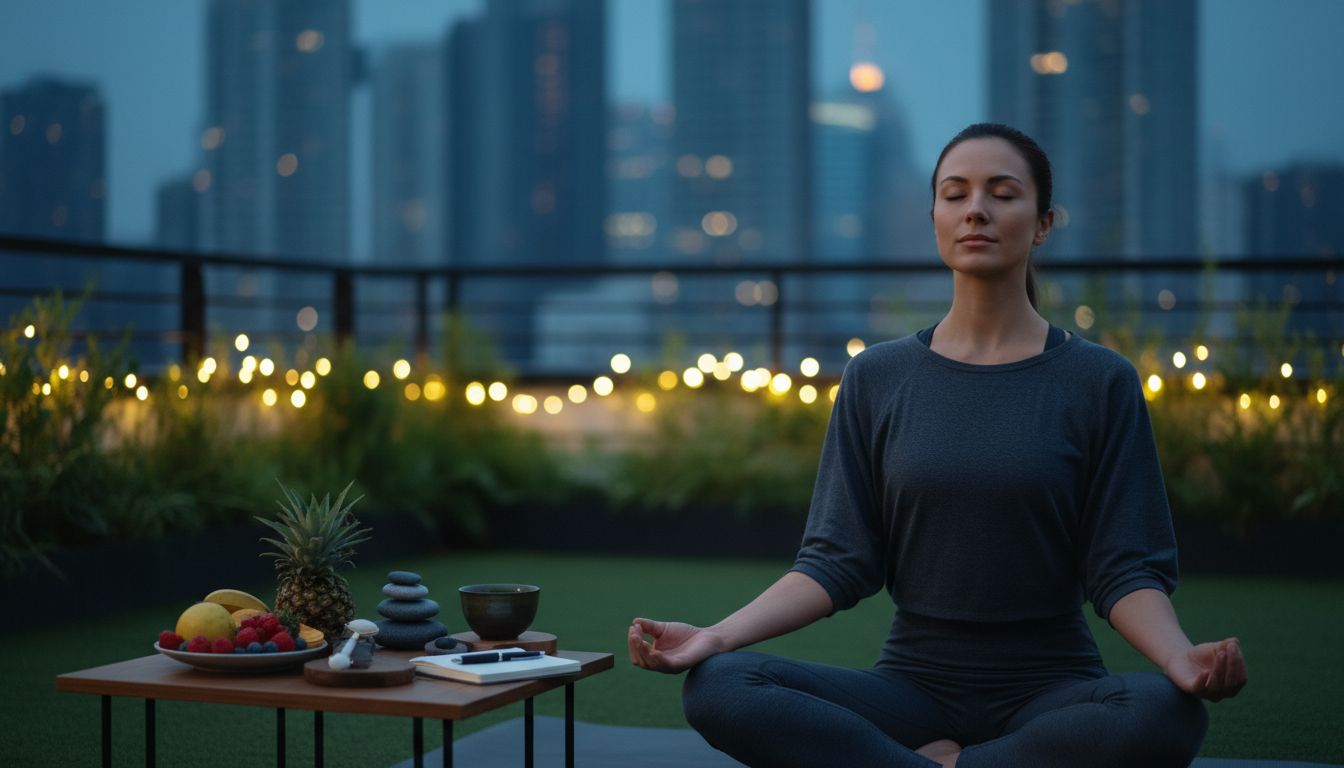

City life can be energizing, but when days get busy and your shoulders tighten, short, intentional breaks in nearby nature can calm your nervous system faster than you might expect. These small, accessible escapes,what I call city mini-escapes,are designed to fit into a lunch hour, a commute, or a work break and still deliver measurable benefits for mood, stress hormones and heart-rate variability.
Science now shows that even brief nature contact has physiological effects: short micro-doses (5,15 minutes) often lift mood and attention, while slightly longer visits produce measurable drops in salivary cortisol, reductions in systolic blood pressure and increases in parasympathetic activity. Below are friendly, practical ways to build mini-escapes into your urban routine, backed by recent evidence and easy product and habit picks.
Why short nature breaks calm the nervous system
Meta-analyses and systematic reviews find that even ten minutes of nature exposure can yield short-term benefits for mood and anxiety, and pooled physiological data show consistent, if modest, declines in salivary cortisol and blood pressure after brief nature contact. For example, meta-analytic reductions in salivary cortisol are on the order of −0.05 to −0.06, and pooled systolic BP reductions around 3,4 mmHg, signals that quick breaks really do shift stress biology.
Neuroscience gives us clues about mechanism. As Bratman and colleagues put it, “a brief nature experience … decreases both self-reported rumination and neural activity in the subgenual prefrontal cortex,” a region linked to persistent worry and depressive rumination. In plain terms: walking in green spaces can quiet the overthinking that keeps you tense.
Field studies reinforce the lab results: a designed “Green Road” walk produced larger cortisol drops (≈53%) than a comparable urban street walk (≈37%), and other controlled trials report improved heart-rate variability and mood after short nature walks. Together these findings explain why a short, intentional pause among trees or near water can feel physiologically and mentally restorative.
Pocket parks, tree-lined walks and the 3,30,300 rule
You don’t need a forest to benefit. Urban planning recommendations like the 3,30,300 rule,see at least three trees from home, live in neighborhoods with ≥30% canopy, and have a quality green space within 300 m,are based on evidence that routine, close-by nature supports nervous-system health. Pocket parks, tree-lined streets and quiet green squares can deliver mini-escape value when used frequently.
Green exercise,walking or light activity in greenspaces,tends to amplify benefits: mood and self-esteem improvements are larger than identical activity indoors. So even a 15,30 minute brisk walk through a park on your lunch break combines the advantages of movement and nature for stronger stress recovery.
If you struggle to make it a habit, consider a simple ritual: pick a reliable 10,20 minute route, keep a pair of comfortable walking shoes at work, and schedule it like any other appointment. Health systems are also endorsing nature: Park-prescription programs (PaRx and similar) are growing, with thousands of clinicians prescribing nature and many patients saying they’d visit nature more if recommended by a health professional.
Blue spaces: water’s calming advantage
Water adds another dimension to mini-escapes. Reviews and umbrella studies on blue spaces (coasts, rivers, lakes) report associations with reduced stress, better cognitive restoration, and improved wellbeing. Some population analyses even show that proximity to water modestly buffers socioeconomic risk for poor mental health.
Physiology helps explain the appeal: watching or listening to water tends to slow breathing and encourage parasympathetic activation, a direct route to feeling calmer. Urban waterfronts, canal walks and small ponds in parks can therefore be excellent, low-effort mini-escape targets,perfect for a short break between meetings.
When planning your city mini-escape, look for spots where visual naturalness and pleasant soundscapes combine; research shows multisensory natural environments produce greater restoration than visual greenery alone. If you live near water, make it a go-to for those deeper, breath-slowing mini breaks.
Multisensory mini-escapes: sound, sight and smell matter
Nature’s calming power is multisensory. Studies find that sites with higher visual naturalness and more natural soundscapes produce significantly greater physiological and psychological restoration than more built environments. That means birdsong, rustling leaves, and water sounds do real work calming your nervous system.
Simple practices can make urban mini-escapes more effective: pause to close your eyes and listen deeply to bird calls, focus on breath synchronized with the rhythm of waves or fountains, or take a mindful sniff of a flowering shrub. These small sensory anchors amplify the effect of short visits.
When natural sound is scarce, curated soundscapes (recordings of birdsong or streams) are a useful supplement,especially in noisy city pockets,because multisensory quality predicts greater stress recovery. Portable, low-cost speakers and phones let you add a natural soundtrack safely during an outdoor break when needed.
Digital nature and workplace pods: mini-escapes when outside isn’t possible
Not everyone can step outside at will. Fortunately, digital and virtual nature experiences also produce measurable autonomic benefits. Systematic reviews and randomized trials of immersive 360°/VR nature found increases in parasympathetic markers (higher HRV), reduced heart rate, and lower salivary stress in short exposures.
Combining VR nature with paced-breathing or HRV biofeedback can boost effects further; recent RCTs show promising results for paired interventions. That makes workplace pods, city kiosks, or desk-side VR sessions practical fallback options when weather, mobility, or safety concerns limit outdoor access.
For everyday use, try an app-driven 10,15 minute guided nature VR break, or pair a 5,10 minute recorded ocean-sound session with paced breathing and a simple HRV biofeedback app. These digital mini-escapes are scalable, low-cost ways to bring evidence-backed calming into urban routines.
Designing a practical mini-escape routine and product picks
Build a routine that fits your life: micro-doses of 5 or 15 minutes produce measurable attention and mood benefits, while aiming for about 2 hours per week in nature aligns with public program recommendations and Park Rx messaging. Try a mix of quick daily pocket-park visits plus one longer 60,90 minute weekend nature walk for deeper restoration.
Helpful gear is simple: comfortable walking shoes, a lightweight water bottle, a small blanket or packable stool for sitting, a portable speaker or noise-isolating phones for natural soundscapes, and, if you use digital escapes, a mid-range VR set or a smartphone with a guided-nature app and an HRV-biofeedback tool. Small investments can make mini-escapes easier and more likely to stick.
Also think equity and safety: choose routes that feel safe and well-maintained, and advocate for local improvements,more pocket parks, shaded tree-lined walkways, and accessible waterfronts. Community-driven changes maximize benefits across neighborhoods and help ensure everyone can access calming urban nature.
Equity, access and realistic expectations
While the evidence for mini-escapes is strong, benefits depend on accessibility, perceived safety, and maintenance. Disadvantaged neighborhoods often have less access to high-quality green and blue spaces; interventions must address transport, safety and cultural barriers to deliver benefits equitably. Policy and community action matter.
Clinical and programmatic work is moving from pilots to trials: Park-prescription research and implementation studies are testing whether formal prescriptions increase park visits and improve health markers across diverse groups. These efforts aim to scale what works while identifying and reducing access gaps.
Be realistic: mini-escapes are a powerful tool but not a cure-all. Use them alongside other healthy habits,sleep, social connection, therapy or medical care when needed,and adapt practices to your personal needs and constraints. Even small, consistent steps add up.
City mini-escapes are an accessible, evidence-based way to calm the nervous system,whether it’s five minutes listening to birds, a 20-minute green walk, a sit by a canal, or a guided VR nature break. The science shows measurable effects on cortisol, blood pressure and heart-rate variability, and practical dosing guidance (micro-doses plus a target of ~2 hours/week) makes habit-building realistic.
Start small, pick one reliable mini-escape, pack the few items that make it easier, and savor the sensory details. Over time these short pauses become an important habit for resilience, better mood and a calmer nervous system in the middle of city life.