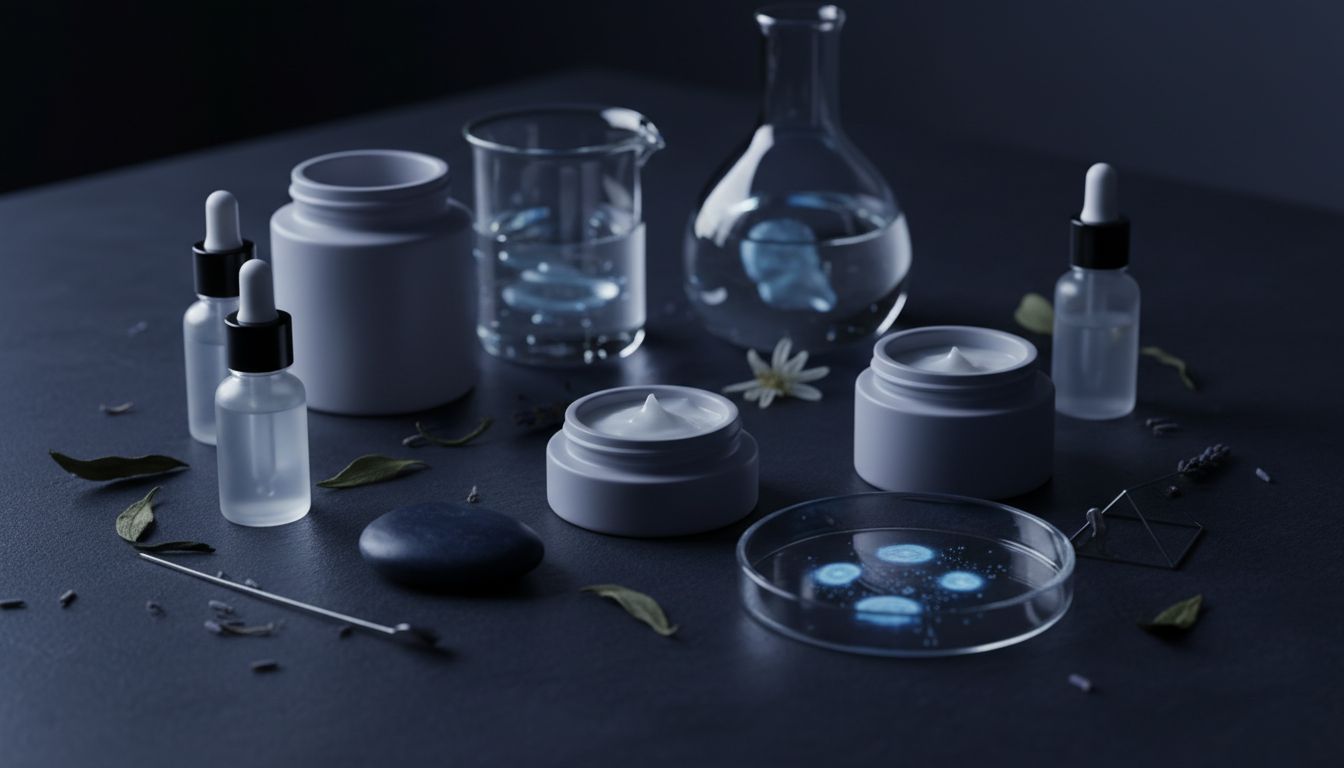

We’re entering a calmer era of skincare. In 2026 the conversation has shifted: fewer products, more precise ingredients, and patience. What used to be a multi-step race for instant glow is evolving into a thoughtful, science-led practice that treats skin as living tissue instead of a checklist.
This piece walks you through why “biotech minimalism” is changing how we care for skin, how personalization and biotech actives make simpler routines more effective, and practical steps to build a slow, tailored regimen that supports barrier health, sustainability, and long-term skin function.
What is biotech minimalism?
Biotech minimalism is the idea of using fewer products but smarter ones: biotech-derived actives that mimic or support the skin’s own biology. Examples include bio-identical collagen, bio-fermented hyaluronic acid, peptides, and even exosomes,ingredients developed to work with skin’s natural processes rather than overwhelm them.
This trend grew out of frustration with overcomplicated routines and common side effects like irritation and barrier damage from over-exfoliation. By 2026, many consumers favor moderation and precision over multi-step excess, choosing targeted formulas with proven mechanisms instead of trend-chasing gimmicks.
The term also signals a mindset shift. Instead of anti-ageing hype, biotech minimalism frames skincare as maintenance of cellular efficiency and function,thinking of the skin as biology, not merely appearance.
The science behind fewer, smarter products
Industry forecasts for 2026 emphasize science-led minimalism: performance proof matters more than marketing claims. Brands are responding by focusing on evidence, reproducible actives, and ingredient precision. That means lab-crafted compounds that can be tuned for function, like fermented hyaluronic acid with predictable molecular weights or peptide blends optimized for signaling.
Biotechnology allows consistent production of bio-actives that mimic what skin already uses, which reduces variability and side effects. Lab-grown ingredients can be manufactured with fewer resource constraints than wild-harvested alternatives, and they often come with quality data that supports efficacy claims.
Because these actives are designed to work with the skin’s biology, you can often replace several ancillary products with one well-formulated treatment. The result: simplicity without sacrificing performance.
Personalization as a slow, ongoing craft
Personalization is shifting from a one-off quiz or single lab result to continuous adaptation. Experts in 2025 framed personalization as “ongoing adaptation,” not a static prescription, and that idea has accelerated into 2026 workflows that use AI, wearables, and remote diagnostics to monitor changing skin states.
Think of your routine like a crafted garment that’s adjusted as seasons change, hormones shift, or your sleep and stress patterns vary. AI-driven formulas and diagnostic tools can tweak actives and doses over time so you use only what your skin needs at each stage.
Consumer interest backs this up: in 2024 about 60% of American women said they wanted to try personalized skincare, and projections put that interest near 80% in 2025. That demand is driving products and services that treat personalization as a slow, iterative craft rather than a single engineered solution.
Barrier health: the real reason to simplify
At the heart of minimalism is barrier support. Multiple 2025,2026 trend roundups point to consumer backlash against irritation and barrier damage from overuse of actives. A pared-back routine focused on barrier repair,ceramides, measured exfoliation, microbiome-friendly actives,reduces inflammation and improves receptivity to treatments.
“Less is more” doesn’t mean doing nothing. It means pairing fewer steps with better actives: targeted peptides for repair, bio-fermented hyaluronic acid for hydration, and microbiome-friendly formulations that maintain the skin’s ecosystem. Those choices protect the barrier while still delivering clinical benefits.
When the barrier improves, you’ll see better outcomes from minimal interventions,less redness, fewer flare-ups, and greater long-term resilience. That’s the slow payoff biotech minimalism promises.
Emotional benefits, sustainability, and the longevity angle
Beyond function, routines are becoming therapeutic. Trend reporting from 2025 and 2026 links the shift to wellness and tranquility,skincare as a calming ritual rather than aggressive transformation. A simpler, more intentional routine supports mental wellbeing and helps reclaim self-care as restorative time.
Sustainability reinforces minimalism. Reduced routine complexity cuts packaging waste, and refillable or concentrated biotech formulas lower resource use. Lab-grown ingredients aim to reduce pressure on natural ecosystems, aligning performance with environmental goals,a win for both skin and planet.
Finally, slow skincare fits the broader longevity narrative: prioritizing cellular efficiency and long-term health over quick fixes. The post-trend era rewards patience, smarter spending, and routines that build cumulative benefit over time.
How to start a biotech-minimal routine today
1) Audit what you own. Keep a short list of what your skin actually needs,cleanser, targeted serum, sunscreen, and a barrier-supporting moisturizer are a sensible baseline. Remove redundant serums and harsh chemical exfoliants that can compromise the barrier.
2) Prioritize proven biotech actives. Look for bio-fermented hyaluronic acid for hydration, peptides for repair, and microbiome-friendly ingredients. Seek brands that publish performance data or clinical studies rather than relying on buzzwords. This is where “science-led minimalism” pays off.
3) Embrace personalization over perfection. Start with a simple routine and adjust based on real feedback,how your skin reacts over weeks and months. If available, consider AI-tuned formulations, wearable skin metrics, or periodic remote diagnostics to fine-tune actives and concentrations rather than flipping through trendy products.
4) Practice patience. Biotech ingredients often deliver steady, cumulative benefits. Avoid chasing immediate transformations; give a new routine at least 6,12 weeks to show meaningful change. This slower timeline protects the barrier and rewards consistency.
What to watch for as the category evolves
Expect more integration of bio-actives with data: formulas that update based on seasonal algorithms, wearables sharing hydration metrics, and subscription services that adjust concentrations over time. The pairing of minimalism with biohacking signals a more technical future for skincare, not a return to guesswork.
K-beauty’s recent growth has helped educate consumers; a 2025 report showed K-beauty sales grew 37.2% year-over-year in the first half of 2025, crossing $2 billion. That ingredient-savvy, routine-conscious audience primes the market for smarter, simpler regimens informed by evidence.
Also watch sustainability claims get measured by performance. Industry forecasts for 2026 suggest sustainability in skincare will be defined less by slogans and more by product effectiveness, lifecycle data, and demonstrable reductions in resource use.
Biotech minimalism isn’t about deprivation,it’s about intention. By choosing fewer, better-designed products and treating skincare as an adaptive craft, you protect your barrier, reduce waste, and support long-term skin function.
Start small: simplify, prioritize biotech actives with evidence, monitor your skin, and give treatments time to work. Over time you’ll find a routine that feels both calm and effective,a personalized, slow-crafted practice that serves your skin and your wellbeing.