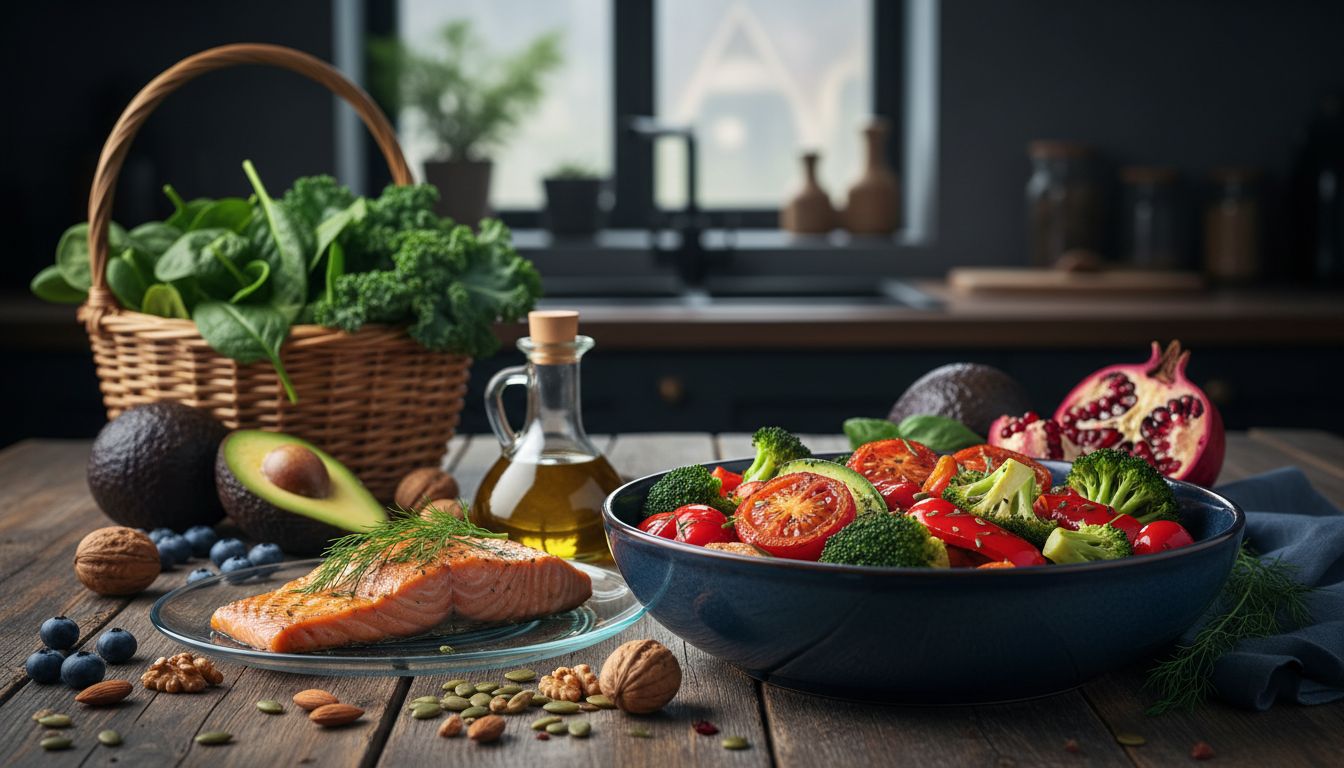

If you have been searching for a simple, realistic way to eat for better prostate health, the latest research points in a refreshingly practical direction. Instead of relying on one miracle ingredient, newer reviews suggest that a prostate-friendly eating pattern is mostly about overall diet quality: more plant foods, more fiber, fewer ultra-processed foods, and a balanced lifestyle that supports long-term health.
That is good news because it means you do not need a complicated meal plan or expensive supplements to get started. Recent research from 2024 and 2025 keeps returning to the same idea: a plant-forward, high-fiber, minimally processed diet appears to be the most evidence-aligned approach for prostate health, whether your goal is prevention, general wellness, or supportive habits during survivorship.
What recent research really says about prostate-friendly eating
A 2025 systematic review on dietary patterns for prostate cancer prevention and management found that the strongest signal comes from overall eating patterns, not isolated superfoods. In prospective cohort studies, healthier plant-forward diets were generally linked with better outcomes, while randomized trials testing specific diets often showed mixed results on PSA or other tumor markers. That does not mean food does not matter. It means the big picture matters more than any one ingredient.
This is an important mindset shift for anyone trying to make smart food choices without getting overwhelmed. You do not have to obsess over perfect meals or chase every line about one nutrient. A practical takeaway is to build meals around vegetables, fruit, beans, lentils, and whole grains more often, while dialing back foods that are heavily processed or calorie-dense but low in nutrients.
Recent 2024 and 2025 review articles reinforce the same message. The most defensible advice today is not “eat this one food and you will protect your prostate.” Instead, it is “follow a healthy, minimally processed, plant-forward pattern consistently.” That is a more realistic and sustainable strategy for everyday life.
Why fiber is one of the most promising nutrition targets
Among all the diet factors being studied, fiber stands out as one of the most consistently promising. A 2025 pooled analysis of 15 prospective cohort studies reported that higher dietary fiber intake was associated with a lower risk of advanced and aggressive forms of prostate cancer. That kind of finding does not prove cause and effect, but it does make fiber one of the best-supported practical targets in current prostate health research.
A 2025 secondary analysis from the PLCO screening study also showed that the relationship between fiber intake and prostate cancer outcomes remains an active and important research area. In other words, scientists are still refining the details, but fiber continues to show up as a smart place to focus. For readers who want action steps instead of confusion, that is very useful.
The easiest way to raise fiber intake is through everyday staples rather than specialty products. Think oatmeal, barley, brown rice, beans, lentils, chickpeas, berries, apples, pears, broccoli, carrots, leafy greens, and whole-grain bread. These foods can support not only prostate health goals but also digestion, blood sugar balance, heart health, and satiety, which makes them a strong all-around choice.
Plant-forward eating beats the superfood mindset
One of the clearest themes in the latest prostate nutrition literature is that broad dietary patterns matter more than single nutrients. Reviews published in 2024 and 2025 emphasize that healthy eating patterns are the most relevant for both risk reduction and survivorship support. That means your regular habits matter more than whether you occasionally eat one “healthy” food.
In practice, a plant-forward pattern does not have to mean fully vegetarian or vegan unless that appeals to you. It can simply mean that plant foods take up more space on your plate most of the time. A lunch with lentil soup and whole-grain toast, or a dinner built around roasted vegetables, beans, and quinoa, fits the current evidence much better than a diet centered on processed meats and convenience foods.
This approach is also kinder to your routine and self-esteem. Instead of feeling like you failed because you did not eat perfectly, you can aim for steady progress: one more serving of vegetables, one more bean-based meal, one swap from refined grains to whole grains. Small steps done consistently are exactly what a practical prostate-friendly eating pattern looks like.
Tomatoes and lycopene: promising, but not magic
Tomatoes and tomato products continue to get attention in prostate health discussions, and there is a reasonable scientific basis for that interest. A 2024 laboratory study found that prostate tissue and cells can accumulate tomato carotenoids such as lycopene. This supports the idea that tomato compounds are biologically relevant to the prostate, which is why they remain part of many prostate-friendly food conversations.
At the same time, it is important to keep expectations realistic. Mechanistic evidence is not the same as proof of clinical benefit. Earlier cohort studies suggested that higher tomato sauce or lycopene intake might be associated with lower prostate cancer risk, but those are observational links, not guarantees of protection. Tomatoes are promising, not proven as a cure-all.
The most practical way to use this information is simple: include tomatoes regularly if you enjoy them. Tomato sauce, cooked tomatoes, tomato soup with a balanced ingredient list, and fresh tomatoes in salads can all fit into a healthy eating pattern. Just remember that they work best as part of a bigger plant-forward diet, not as a stand-alone strategy.
Soy foods may help, but they are not a solo solution
Soy foods and isoflavones are still being studied for prostate health, and they continue to appear in reviews as potentially useful parts of a plant-forward diet. There is older randomized trial evidence and ongoing mechanistic interest, which keeps soy in the conversation. However, the current evidence is not strong enough to recommend soy as a single must-have food for prostate protection.
That said, moderate soy intake can still be a practical addition to a balanced routine. Foods like tofu, tempeh, edamame, and unsweetened soy milk can help you eat more plant protein while reducing reliance on red and processed meats. That matters because recent prostate-health dietary patterns tend to favor more legumes and plant proteins overall.
If you tolerate soy well and enjoy it, there is no need to avoid it based on outdated myths. Keeping portions moderate and using whole or minimally processed soy foods makes the most sense. Again, the value of soy is strongest when it supports an overall healthy pattern rather than when it is treated like a supplement in disguise.
What to limit in a prostate-friendly eating pattern
Recent reviews continue to point away from diets high in red meat, processed meat, ultra-processed foods, and excess calories. These foods tend to fit into eating patterns that are more energy-dense and less nutrient-rich, which is the opposite of what current research suggests for prostate-friendly eating. This does not mean you need to ban favorite foods forever, but it does support being intentional about how often they show up.
Ultra-processed foods are especially worth watching because they can crowd out fiber-rich, whole-food options. A diet built around packaged snacks, fast food, processed meats, sugary desserts, and refined grains can make it harder to meet your needs for fiber, vitamins, minerals, and beneficial plant compounds. Over time, that can also affect weight management, which is another important piece of overall health.
A practical rule is to focus less on restriction and more on replacement. Swap sausages or deli meats for beans, lentils, fish, or tofu more often. Replace chips with roasted chickpeas or fruit and nuts. Choose whole grains over highly refined options when possible. Those shifts feel more manageable than all-or-nothing rules and still align well with the evidence.
Omega-3s and other nutrients that should not be oversold
Nutrition lines can make it seem like one nutrient always holds the answer, but prostate health research is rarely that simple. For example, a large 2025 UK Biobank analysis reported small inverse associations between omega-3 intake and several cancers, but it noted important exceptions, including prostate cancer. So while omega-3-rich foods may still support general health, they should not be marketed as clearly prostate-protective.
This is a helpful reminder to stay cautious about bold supplement claims. When evidence is mixed or not prostate-specific, it makes more sense to prioritize food-based habits with broader support. That includes getting healthy fats from balanced sources like nuts, seeds, and fish if you eat them, while keeping your attention on the overall quality of your diet.
In practical terms, the best strategy is to avoid building your routine around hype. If a food or supplement sounds too good to be true, it probably is. Current research gives much stronger support to a whole-pattern approach than to chasing isolated nutrients one by one.
How to build a realistic prostate-friendly plate
If you want to turn the evidence into daily action, start with a simple meal formula. Fill about half your plate with vegetables and fruit, add a source of fiber-rich carbohydrate such as oats, brown rice, quinoa, or whole-grain bread, and include protein from beans, lentils, soy foods, fish, or other minimally processed options. This is one of the easiest ways to create a practical prostate-friendly eating routine without overthinking every bite.
For breakfast, that might mean oatmeal with berries, ground flax, and a side of fruit. For lunch, a bean salad or lentil soup with whole-grain crackers works well. For dinner, try a vegetable-heavy pasta with tomato sauce and chickpeas, or a tofu stir-fry with brown rice and broccoli. These meals are simple, affordable, and closely matched to the foods most often supported in recent reviews.
It also helps to think beyond food alone. Recent urology lifestyle reviews emphasize a unified message: healthy eating, physical activity, weight control, and minimizing alcohol and tobacco all work together as part of a broader risk-reduction strategy. Diet matters, but it works best when it is part of a supportive lifestyle rather than a stand-alone fix.
The newest research on prostate health offers a reassuring message: you do not need perfection, and you do not need a miracle food. The strongest evidence supports a pattern built around high-fiber plant foods, tomatoes and tomato products as a reasonable addition, soy foods in moderation, plenty of vegetables and fruit, and fewer ultra-processed foods and processed meats. That is a practical, flexible framework most people can actually use.
If you are looking for the smartest next step, begin with fiber and overall meal quality. Add beans to one meal, switch to whole grains, keep fruit visible, stock easy vegetables, and use tomato-based dishes regularly if you enjoy them. Those small choices can move your routine closer to a prostate-friendly eating pattern backed by recent research, while also supporting your energy, confidence, and long-term well-being.